Russia’s Top Destinations, Best Attractions, Must-Try Foods, Booking Stays & Tour Packages, Culture, Travel Tips
Why Visit Russia
Spanning two continents and eleven time zones, Russia is one of the most vast, diverse, and intriguing countries in the world. From opulent imperial palaces and onion-domed cathedrals to wild tundras and snow-covered mountains, Russia offers an unparalleled blend of history, culture, and natural beauty. For travelers looking to go beyond the ordinary, Russia is a treasure trove of unique experiences, deep-rooted traditions, and unforgettable landscapes.
A Land of Architectural Marvels
Russia is synonymous with striking architecture—from the brightly colored St. Basil’s Cathedral in Moscow’s Red Square to the elegant pastel facades of St. Petersburg’s imperial buildings. The country’s historical landmarks tell the story of dynasties, revolutions, and reinventions.
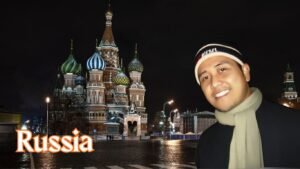
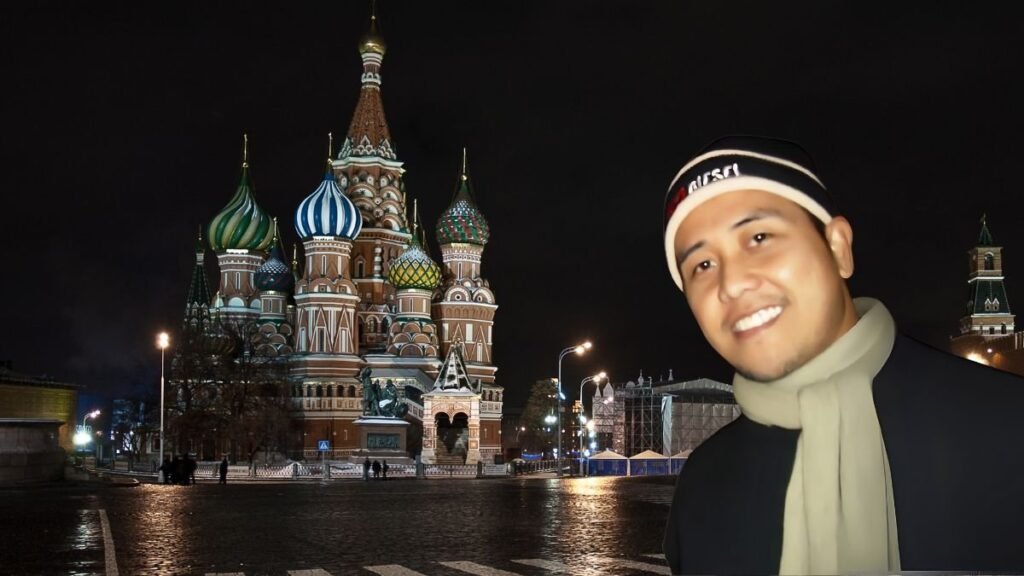
- St. Basil’s Cathedral: Iconic for its swirling onion domes and vivid colors, a symbol of Russian heritage.
- The Kremlin: A UNESCO World Heritage Site and the political and historical heart of Moscow.
- Winter Palace & Hermitage Museum: In St. Petersburg, home to one of the world’s largest and most prestigious art collections.
- Church of the Savior on Spilled Blood: A masterpiece of Russian Revival architecture with colorful mosaics and elaborate details.
Cultural Depth and World-Class Art
Russia has gifted the world with legendary writers, composers, artists, and philosophers. Whether you’re attending a ballet performance or visiting a literary museum, the country’s artistic legacy runs deep.
- The Bolshoi Theatre (Moscow) – A world-renowned venue for ballet and opera performances.
- The Mariinsky Theatre (St. Petersburg) – Another cultural gem for classical music lovers.
- Pushkin Museum and Tretyakov Gallery: Featuring works from Russian masters and European classics.
- Tolstoy’s Estate or Dostoevsky’s Museum: For fans of literature and literary history.
Russia’s commitment to preserving its cultural identity is evident in its thriving theaters, concert halls, and film festivals. Even in smaller cities, you’ll find opportunities to enjoy local music, drama, and visual art.
Natural Wonders and Scenic Diversity
Few countries match Russia in geographic variety. Whether you’re hiking in the Caucasus Mountains, exploring the vastness of Siberia, or cruising along the Volga River, nature in Russia feels untouched, mysterious, and monumental.
- Lake Baikal: The deepest and oldest freshwater lake on Earth, surrounded by pristine wilderness and winter ice formations.
- Kamchatka Peninsula: Remote and dramatic, filled with volcanoes, geysers, and brown bears.
- Altai Mountains: Ideal for trekking, rafting, and reconnecting with nature in a spiritual setting.
- Karelia: A picturesque region of lakes and forests, popular for outdoor adventures and cultural tours.
A Journey Through Time and Empires
Russia’s history spans empires, revolutions, world wars, and ideological shifts. Visitors can explore remnants of the Tsarist era, traces of Soviet power, and the modern ambitions of a rapidly evolving society. Historic sites, museums, and even metro stations reveal different layers of Russia’s past.
- Moscow’s Metro: Known as the world’s most beautiful subway, with ornate chandeliers, mosaics, and statues.
- Peterhof Palace: Dubbed the “Russian Versailles,” showcasing imperial opulence on the Gulf of Finland.
- Soviet landmarks: Like the VDNKh exhibition center, Lenin’s Mausoleum, and Cold War museums.
Train Travel and the Trans-Siberian Adventure
No trip to Russia is complete without experiencing its famous railways. The Trans-Siberian Railway is a bucket-list journey that stretches across nearly 9,300 kilometers from Moscow to Vladivostok. Along the way, travelers can stop at cities like Yekaterinburg, Irkutsk, Ulan-Ude, and Khabarovsk—each with its own local flavor and history.
This rail journey isn’t just about covering distance; it’s about witnessing the gradual transformation of landscapes, languages, and cultures across Eurasia.
Cuisine That Surprises and Satisfies
Russian cuisine is hearty, flavorful, and deeply comforting. It’s influenced by the country’s vast geography and ethnic diversity, with dishes that vary from one region to the next.
- Borscht: A beet soup often served with sour cream and fresh dill.
- Pelmeni: Dumplings filled with meat or mushrooms, often served with butter or vinegar.
- Blini: Thin pancakes served with jam, honey, caviar, or sour cream.
- Beef Stroganoff: Tender strips of beef in a creamy mushroom sauce.
In larger cities, you’ll also find modern cafes, international restaurants, craft cocktail bars, and street food markets that reflect contemporary tastes and global influences.
Warm Hospitality and Rich Traditions
Despite perceptions, Russian hospitality is warm, sincere, and deeply rooted in tradition. Guests are treated with great respect, and home visits often involve lavish meals and toasts with vodka or homemade infusions.
Customs such as offering bread and salt to visitors, or giving flowers in odd numbers, reflect the cultural richness and symbolic depth of Russian traditions. Travelers who show genuine interest and courtesy are often met with curiosity and warmth in return.
Who Should Visit Russia?
- History Lovers: Explore palaces, battlefields, cathedrals, and Soviet-era relics.
- Art & Culture Enthusiasts: Dive into world-class museums, opera, ballet, and literature.
- Adventurers: Hike, ski, or embark on an epic train journey across the world’s largest country.
- City Explorers: Wander vibrant urban centers like Moscow, St. Petersburg, Kazan, and Sochi.
- Nature Seekers: Find solitude in the taiga, arctic landscapes, and remote mountain regions.
Safety, Accessibility, and Practical Tips
- Safety: Major cities are generally safe, though travelers should exercise the usual precautions. Stay updated with travel advisories.
- Language: Russian is widely spoken; English may be limited outside of tourist zones. Translation apps are very helpful.
- Visas: Most travelers need a visa; application should be done in advance and includes an invitation letter.
- Connectivity: SIM cards and mobile data are inexpensive and widely available. Wi-Fi is common in hotels and cafes.
Top Destinations & Must-See Attractions in Russia
Russia, the world’s largest country, is home to an extraordinary mix of imperial cities, ancient towns, vast landscapes, and cultural landmarks. From the grandeur of Moscow to the romantic canals of St. Petersburg and the untouched beauty of Siberia, this guide highlights the most iconic places and must-see attractions that belong on every traveler’s itinerary.
Top 10 Tourist Destinations in Russia
- Moscow – Russia’s capital is a powerful blend of history and modernity. Famous for its architectural icons, vibrant nightlife, and cultural richness.
- St. Petersburg – Often called the “Venice of the North,” this imperial city is known for its canals, palaces, and artistic heritage.
- Kazan – The capital of Tatarstan where Russian and Islamic cultures coexist. A city of mosques, churches, and rich heritage.
- Sochi – A resort city on the Black Sea, popular for its beaches in summer and skiing in winter. Host of the 2014 Winter Olympics.
- Novosibirsk – Siberia’s largest city and a growing hub for science, culture, and education.
- Vladivostok – A Pacific port city that marks the end of the Trans-Siberian Railway. It blends Russian culture with Far East influences.
- Yekaterinburg – The historic gateway between Europe and Asia and site of the Romanov family’s tragic end.
- Irkutsk – The closest major city to Lake Baikal, known for its wooden architecture and as a stop on the Trans-Siberian route.
- Golden Ring Towns – Including Suzdal, Vladimir, and Sergiev Posad. These ancient towns preserve Russia’s medieval and religious past.
- Kaliningrad – An exclave between Poland and Lithuania with Prussian heritage and amber coastline.
Top 10 Must-See Attractions in Russia
- Red Square (Moscow) – The heart of Russia. Home to the Kremlin, St. Basil’s Cathedral, and Lenin’s Mausoleum.
- The Kremlin (Moscow) – A walled fortress housing government buildings, cathedrals, and the Armory Museum.
- The Hermitage Museum (St. Petersburg) – One of the world’s greatest art collections housed in the Winter Palace.
- Peterhof Palace – Often compared to Versailles, this palace features golden fountains and stunning gardens.
- Lake Baikal – The world’s deepest lake, located in Siberia. Known for crystal-clear waters and unique biodiversity.
- Trans-Siberian Railway – A legendary rail journey stretching over 9,000 kilometers from Moscow to Vladivostok.
- Kazan Kremlin – A UNESCO site combining Russian and Tatar architecture, including the beautiful Qolşärif Mosque.
- Catherine Palace (Pushkin) – Known for the opulent Amber Room and lavish rococo design.
- Church of the Savior on Spilled Blood (St. Petersburg) – A colorful mosaic-covered cathedral built on the site of Alexander II’s assassination.
- Mount Elbrus – Europe’s highest peak, located in the Caucasus Mountains. A dream destination for climbers and adventurers.
Best Time to Visit Russia
High Season (June to August)
- Weather: Warm and pleasant in most regions, with long daylight hours, especially during the “White Nights” in St. Petersburg.
- Best For: Sightseeing, river cruises, open-air festivals, and nature hikes.
- Tips: Book ahead—hotels and trains fill up fast in summer.
Shoulder Season (April to May, September to October)
- Weather: Mild spring and cool autumn temperatures. Fewer crowds.
- Best For: City travel, photography, museums, and local culture without the summer rush.
Low Season (November to March)
- Weather: Cold to extreme cold, especially in Siberia.
- Best For: Winter sports, New Year’s festivities, and snowy landscapes.
- Tips: Dress warmly and plan for shorter daylight hours.
Suggested Itineraries Based on Interest
For First-Time Visitors
- Moscow (3–4 days): Red Square, Kremlin, GUM, and metro stations
- St. Petersburg (4–5 days): Hermitage, Peterhof, Nevsky Prospekt, canal cruise
For Adventurers
- Trans-Siberian Railway with stops in Yekaterinburg, Irkutsk (Lake Baikal), and Ulan-Ude
- Hiking in the Caucasus Mountains or Kamchatka volcano tours
For History Buffs
- Golden Ring Circuit: Suzdal, Vladimir, Kostroma, and Rostov Veliky
- World War II museums in Moscow and St. Petersburg
Unique Experiences in Russia
- Stay in a Dacha: Experience rural Russian life with a traditional countryside stay.
- Attend a Ballet or Opera: Enjoy world-class performances at the Bolshoi or Mariinsky Theatre.
- Take a Volga River Cruise: See the heartland of Russia from the water.
- Visit Soviet Monuments: Including statues, museums, and preserved bunkers.
- Explore the Arctic Circle: Venture to Murmansk or Franz Josef Land for northern lights and icy seascapes.
Local Transportation Options and How to Navigate Between Destinations in Russia
Traveling across Russia may seem daunting due to its immense size, but the country has a well-developed network of transportation options that make getting around both manageable and memorable. From high-speed trains to metro systems and domestic flights, Russia offers reliable and often scenic ways to navigate its sprawling cities and vast regions. This guide will help you understand the best transportation methods within cities and between destinations across the Russian Federation.
Major International Gateways
Russia’s most popular entry points for international travelers are its major airports:
- Moscow Sheremetyevo International Airport (SVO): Russia’s busiest airport, hub of Aeroflot.
- Moscow Domodedovo International Airport (DME): Serves numerous international and domestic carriers.
- St. Petersburg Pulkovo Airport (LED): Gateway to Russia’s imperial capital and northwest regions.
- Other key airports: Vladivostok, Novosibirsk, Sochi, Yekaterinburg, and Kazan.
Domestic Air Travel
Due to the vast distances between regions, flying is often the fastest way to travel across Russia. Flights are frequent, especially between major cities and regional centers.
- Airlines: Aeroflot, S7 Airlines, Pobeda (budget), Ural Airlines, and Rossiya Airlines.
- Flight Duration: Moscow to St. Petersburg (~1.5 hours), Moscow to Vladivostok (~8.5 hours).
- Booking Tips: Flights are generally affordable when booked in advance; note baggage rules on low-cost carriers.
The Trans-Siberian Railway and National Rail Network
Russia’s extensive rail network connects almost every city, town, and region. The jewel of this system is the Trans-Siberian Railway, the world’s longest continuous railway line stretching from Moscow to Vladivostok.
Types of Trains
- Sapsan: High-speed train between Moscow and St. Petersburg (3.5–4 hours).
- Lastochka: Modern commuter trains in regional hubs like Sochi and Yekaterinburg.
- Long-Distance Trains: Multiple classes (Lux, 1st, 2nd, 3rd class), sleeper cars, and restaurant cars.
- Regional Trains: Affordable connections between nearby cities and towns.
Booking and Travel Tips
- Book tickets at train stations or through official apps and booking platforms.
- Train stations often have English signage in major cities, but having Google Translate can be helpful.
- Bring your passport—train tickets are issued to individual travelers and ID is required for boarding.
Getting Around in Russian Cities
Metro Systems
Several large Russian cities have efficient metro systems. Moscow’s and St. Petersburg’s metros are famous not only for their speed but also for their ornate architecture and cleanliness.
- Moscow Metro: 15 lines, 250+ stations, runs from ~5:30 AM to 1:00 AM. Reliable and affordable (about 60 rubles per ride).
- St. Petersburg Metro: 5 lines, beautifully designed stations, operates on a similar schedule.
- Other cities: Novosibirsk, Kazan, and Nizhny Novgorod also have metro networks.
Buses, Trams, and Trolleybuses
Public surface transport is widespread in all cities and towns. It’s often the best way to reach neighborhoods not served by metro lines.
- Fares: Usually 30–50 rubles. Tickets can be purchased on board or via transit cards.
- Marshrutkas: Private minibuses running set routes. Faster but less formal—ideal for locals and seasoned travelers.
Ride-Hailing and Taxis
Taxis are available in all major cities but should be booked via apps to avoid overcharging. Avoid hailing cabs from the street.
- Apps: Yandex Go (widely used), Citymobil, Uber Russia (merged with Yandex).
- Prices: Affordable within city centers; tipping is appreciated but not obligatory.
Driving in Russia
Renting a car is an option for travelers seeking to explore rural or remote regions, but it’s not recommended within major cities due to traffic congestion and parking difficulties.
- Requirements: Valid driver’s license with Russian translation or an International Driving Permit.
- Roads: Well-maintained highways in European Russia; variable quality in remote areas.
- Fuel: Readily available and relatively affordable.
- Tips: Drive defensively, and watch out for speed cameras and road signage in Cyrillic.
Traveling Between Cities: What to Choose
Moscow – St. Petersburg
- Sapsan Train: Fast, scenic, and comfortable (3.5–4 hours).
- Flights: Frequent and cheap, but less scenic and less convenient due to airport transfers.
Moscow – Kazan / Sochi / Yekaterinburg
- Flights: Best for time savings.
- Overnight Trains: Comfortable with sleeper cabins; a cultural experience on its own.
St. Petersburg – Murmansk / Karelia
- Train: Ideal for reaching the Arctic Circle and forested lake regions.
Apps to Download
- Yandex Go: For taxis and ride-hailing.
- RZD (Russian Railways): Book train tickets.
- Yandex Maps or 2GIS: Better than Google Maps for navigation in Russia.
- Metro apps: For local subway navigation.
Tips for Hassle-Free Transit
- Learn basic Cyrillic: It helps when reading signs or schedules.
- Be punctual: Trains depart on time and boarding gates close early.
- Pack for the journey: Long train trips often include meals, but having snacks and water is a good idea.
- Mind distances: Russia is vast. Plan accordingly to avoid underestimating travel times.
Essential Travel Info & Local Culture in Russia
Preparing for a trip to Russia involves more than booking tickets and accommodations—it also means understanding the country’s customs, norms, and practical details that will help you travel confidently and respectfully. From currency exchange and SIM cards to etiquette and cultural expectations, this guide provides everything you need to know to make your visit smooth, enjoyable, and culturally enriching.
Currency, Banking & Payments
The official currency in Russia is the Russian Ruble (₽ or RUB). Currency exchange and banking services are widely available, particularly in major cities.
- Exchange: Currency exchange offices and bank branches are found at airports, shopping centers, and tourist areas. Avoid street exchanges.
- ATMs: Widely available and usually support Visa, Mastercard, and other major cards. Most offer English language options.
- Cards: Credit and debit cards are accepted in most restaurants, shops, and hotels in urban areas.
- Cash: Essential for small purchases, rural areas, and public transportation in some cities.
SIM Cards, Internet & Staying Connected
Mobile coverage and internet access are excellent across Russia’s populated regions. Staying connected is easy and affordable.
- Main providers: MTS, Beeline, Megafon, Tele2
- Tourist SIMs: Available at airports and mobile stores; plans include data, local calls, and texts
- Wi-Fi: Free in many hotels, cafés, restaurants, and metro stations in large cities
- VPN: Recommended for unrestricted internet access, as some apps or websites may have limited functionality
Visas & Entry Requirements
Most travelers need a visa to enter Russia. The type and process depend on your nationality and purpose of visit.
- Tourist Visa: Valid for up to 30 days; requires a hotel booking confirmation or invitation letter from a registered travel agency or hotel
- Electronic Visa (e-Visa): Available for citizens of selected countries for short stays (check the current list)
- Processing Time: Allow at least 2–3 weeks; expedited options are available for an extra fee
- Registration: Required within 7 days of arrival if staying in a private residence; hotels handle this automatically
Language Basics
Russian is the official language. While English is spoken in major tourist hubs, it’s limited in smaller towns. Learning a few basic Russian phrases and the Cyrillic alphabet can greatly enhance your experience.
| English | Russian |
|---|---|
| Hello | Здравствуйте (Zdravstvuyte) |
| Thank you | Спасибо (Spasibo) |
| Yes | Да (Da) |
| No | Нет (Net) |
| Goodbye | До свидания (Do svidaniya) |
Safety & Health
Russia is generally safe for travelers, especially in major cities. However, standard precautions apply.
- Safety: Pickpocketing can occur in crowded areas. Avoid isolated areas at night.
- Police: Always carry your passport (or a certified copy). Police may ask for ID.
- Health Care: Hospitals in big cities are modern; however, English-speaking staff may be limited. Travel insurance is highly recommended.
- Pharmacies: Widely available; look for the green cross sign. Basic medications are accessible without a prescription.
- Emergency Numbers:
- Police: 102
- Ambulance: 103
- Fire: 101
Weather & Seasonal Tips
- Winter (Nov–Mar): Cold and snowy; pack thermal layers, waterproof boots, gloves, and hats
- Summer (Jun–Aug): Warm and sunny; ideal for sightseeing and festivals
- Spring & Autumn: Variable weather; bring a mix of warm and light clothing
Dress Code & Public Behavior
Dress in Russia is generally modern and stylish, especially in urban areas. Modest attire is required in churches and religious sites.
- Churches: Women may need to cover their heads and shoulders; men should remove hats
- Public Transport: Offer seats to the elderly or pregnant women
- Social Norms: Russians value formality; greetings are often polite and firm
Cultural Do’s and Don’ts
Do’s
- Do greet people formally: Use a firm handshake, especially for men
- Do remove your shoes: When entering someone’s home
- Do bring a small gift: If invited to a local’s home—flowers, chocolates, or wine are appreciated
- Do try local food: Accepting food and drink is part of Russian hospitality
Don’ts
- Don’t smile excessively: In Russian culture, smiles are more genuine and reserved for meaningful interactions
- Don’t shake hands across a doorway: It’s considered bad luck
- Don’t whistle indoors: This is believed to bring financial misfortune
- Don’t criticize Russian culture or history: Be respectful and open-minded during discussions
Useful Apps for Travelers
- Yandex Maps: Excellent for navigation and better than Google Maps in Russia
- 2GIS: Detailed maps, including building layouts and public transport
- Yandex Translate: Offline translation with voice and photo features
- RZD: Book train tickets
- Yandex Go: For taxis and ride-hailing services
Food Etiquette
- Dining out: Tipping (10%) is customary but not obligatory
- At homes: Always wait to be invited to sit; don’t begin eating until the host starts
- Toasts: Be ready to make or respond to toasts, often during dinner parties
Russia
Russia is not just a country—it’s a world unto itself. It offers travelers an unmatched variety of experiences, from imperial elegance and artistic brilliance to wild natural beauty and profound cultural encounters. Visiting Russia means stepping into history, marveling at scale and spectacle, and engaging with a society that is as complex as it is captivating. Whether it’s your first visit or a return journey, Russia promises to challenge your expectations and leave you inspired.
Russia’s top destinations and attractions offer something for every kind of traveler—be it the majesty of imperial palaces, the solemn beauty of ancient monasteries, or the raw wilderness of Lake Baikal. With every region offering its own unique charm and story, exploring Russia is not just a journey across land—it’s a journey through time, culture, and spirit. Whether you’re visiting world-class museums or riding across the vast steppe by train, the experience is always memorable and profoundly moving.
Russia’s transportation infrastructure is robust and offers a wide range of travel options for every type of visitor. Whether you prefer flying, cruising on a train, navigating ornate metro systems, or exploring by car, you’ll find well-connected routes across cities and regions. With some preparation and a flexible spirit, getting around Russia can be one of the most enriching parts of your journey—offering not just mobility, but cultural insights and spectacular views along the way.
Understanding Russia’s customs and practical details can significantly enhance your travel experience. From knowing when to tip to navigating metro etiquette, small cultural insights go a long way in helping you blend in and be respectful. Russia is not just a place to see—it’s a place to experience with depth, awareness, and curiosity. By embracing the local way of life, you’ll find that your journey becomes not just a trip but a cultural immersion.