Thailand ■ Cambodia ■ Vietnam ■ Malaysia ■ Singapore ■ Taiwan ■ Macau ■ South Korea ■ Russia
Set on the mouth of the Pearl River Delta, Hong Kong is one of Asia’s most cosmopolitan destinations. A skyline of skyscrapers rises from deep green hills, neon signs flicker over fragrant street markets, and colonial-era buildings hide down narrow alleyways. Despite its reputation as a playground for bankers and luxury shoppers, Hong Kong can be surprisingly affordable. The city’s world-class public transport network allows travelers to cross from skyscraper canyons to quiet villages at low cost, and many headline experiences—from famous skyline views to peaceful temples—are completely free.
This guide shows how to explore Hong Kong on a budget while still experiencing the highlights that make the city so captivating. It covers practical entry planning, transport systems, where to stay, when to visit, and which neighborhoods offer strong value. Sections on affordable attractions in Hong Kong, local food, and travel hacks will help you enjoy the city’s best experiences without overspending.
Travel Essentials for Visitors
Visa and entry requirements: Entry rules depend on nationality and can change, so confirm requirements before booking flights. Many travelers can enter visa-free for short stays, but permitted length of stay and documentation expectations vary. A smart arrival checklist includes a passport with sufficient validity, proof of onward or return travel, and accommodation details.
Currency and payment: Hong Kong uses the Hong Kong Dollar (HKD). Credit cards are widely accepted, but small eateries, street markets, and some local shops may prefer cash. The Octopus Card is a reloadable smart card that works on the MTR, buses, trams, ferries, and in many convenience stores and fast-food chains. Using an Octopus Card reduces friction, often saves money versus single fares, and helps you avoid hunting for exact change. You can buy and top up an Octopus Card at airport stations, MTR counters, and many convenience stores.
Getting around: The MTR is the backbone of Hong Kong’s transport system, linking major districts efficiently. Complementing it are buses, minibuses, double-decker trams on Hong Kong Island, and ferries that add scenic value. Walking is also practical in many neighborhoods—especially in Central, Sheung Wan, Tsim Sha Tsui, Mong Kok, and Sham Shui Po—where exploring on foot reveals street art, temples, markets, and tiny cafés you would miss underground.
Language and cultural tips: Cantonese is the main language, and English is common in tourist zones and transport systems. Basic etiquette goes a long way: queue patiently, keep voices lower on public transport and in temples, and dress modestly in places of worship.
Iconic Views and Urban Landmarks
Victoria Peak: Hiking Up for Free City Views
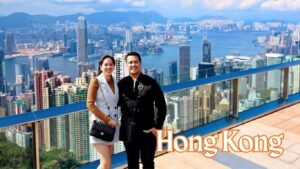
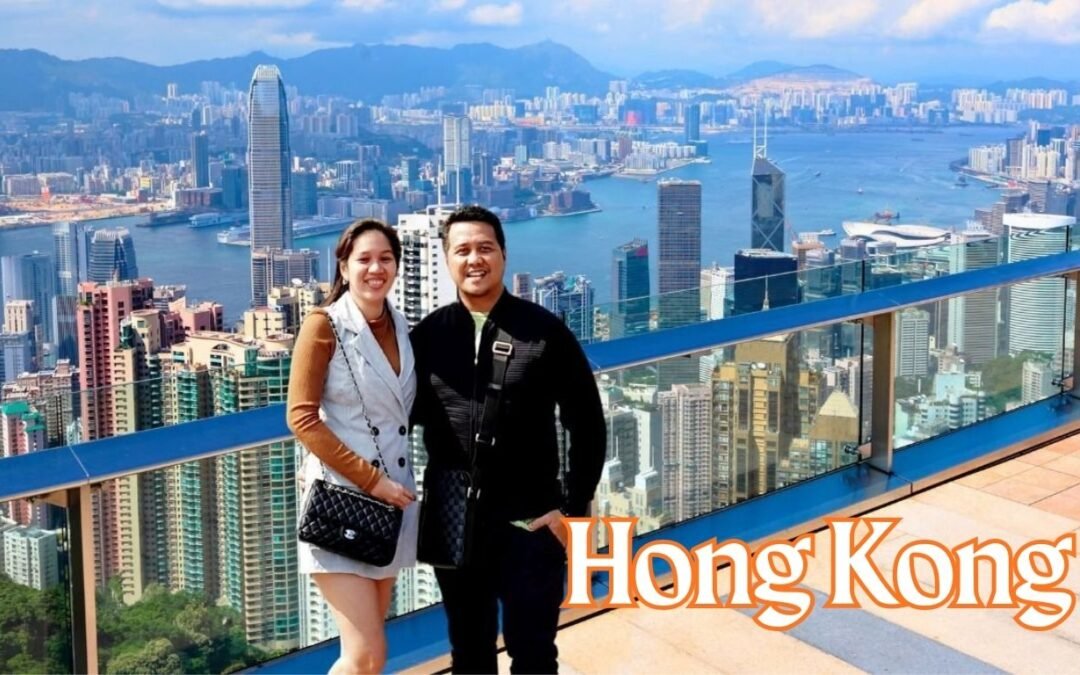
No first visit to Hong Kong feels complete without seeing Victoria Harbour from above. Many visitors ride the historic Peak Tram, but budget travelers can get the same dramatic views by hiking routes like the Peak Circle Walk or Lugard Road. These paths provide panoramic skyline viewpoints and are free. The Peak Galleria also has free viewing areas, making it possible to experience “the Peak moment” without buying a premium observation ticket.
Budget strategy: arrive early or near sunset to avoid crowds, bring water, and treat the Peak as a walking experience rather than a shopping stop. The views are the attraction—everything else is optional.
Crossing Victoria Harbour on the Star Ferry
The Star Ferry is one of Hong Kong’s best budget experiences: a short, low-cost ride that delivers world-class skyline views. The crossing between Central (or Wan Chai) and Tsim Sha Tsui is especially scenic at dusk, when lights turn on and reflections shimmer on the water. After landing in Tsim Sha Tsui, stroll along the waterfront promenade and the Avenue of Stars for more skyline perspectives.
Each evening, the Symphony of Lights animates the skyline with a free light and laser show. Watching from the harbourfront costs nothing and feels like a “premium” attraction.
Central–Mid-Levels Escalator and Heritage Walks
Central is a fast-paced mix of colonial history and modern energy. A unique, free way to explore is riding the Central–Mid-Levels Escalator, the world’s longest outdoor covered escalator system. Hop on and off to discover street art, hidden temples, local markets, and cafés without needing a paid tour. Along the way, stop at PMQ (a creative hub) and wander Hollywood Road for antiques and galleries. This kind of walking route is the core of budget travel in Hong Kong: lots of atmosphere, minimal spending.
Cultural and Spiritual Sites
Man Mo and Wong Tai Sin Temples
Man Mo Temple in Sheung Wan is an atmospheric stop where incense coils hang overhead and the interior feels like a portal into older Hong Kong. Entry is generally free, and the visit is short but memorable. In Kowloon, Wong Tai Sin Temple is one of the city’s most famous spiritual sites, known for colorful architecture and fortune-stick rituals. Both temples provide deep cultural immersion without an entry fee—just visit respectfully.
Chi Lin Nunnery and Nan Lian Garden
In the middle of busy Kowloon, Chi Lin Nunnery and Nan Lian Garden offer a calm, beautifully designed escape. The architecture, courtyards, bonsai displays, and lotus ponds are ideal for slow walking and quiet reflection—one of the best free experiences in the city. Visit early in the day for a calmer atmosphere.
Ten Thousand Buddhas Monastery
The Ten Thousand Buddhas Monastery in Sha Tin rewards visitors who don’t mind a climb. A steep staircase lined with golden statues leads to temple buildings and viewpoints. Entry is typically free, though donations are welcome. Bring water and take your time—this is both a cultural stop and a workout.
Markets and Nightlife: Experiencing the Streets
Ladies’ Market, Flower Market, and Goldfish Market
Hong Kong’s street markets are part of its identity. In Mong Kok, the Ladies’ Market is a classic browsing zone—free to explore, lively, and built for bargaining. Nearby, the Flower Market is colorful and photogenic, while the Goldfish Market is one of the city’s most unusual street scenes, with fish displayed in hanging bags and aquarium shops packed into narrow lanes.
Smart shopping note: treat these markets as an “experience first” zone. Browse, compare, and delay purchases until you’re sure you want them. That’s how you avoid souvenir overspending.
Temple Street Night Market and Sham Shui Po
Temple Street Night Market in Jordan is a classic evening scene: neon lights, sizzling woks, small bargain stalls, and a lively street-food atmosphere. It’s free to wander and easy to keep budget-friendly if you focus on one main snack meal rather than constant grazing.
Nearby Sham Shui Po is a budget traveler’s treasure district: electronics bazaars, fabric and accessory streets, second-hand corners, and some of the most local-priced food in the city. If you want “real Hong Kong” energy without luxury pricing, Sham Shui Po is a must.
Night Promenades and Symphony of Lights
The Tsim Sha Tsui Promenade and Avenue of Stars are ideal for free evening entertainment. Grab a convenience-store drink or snack, sit along the waterfront, and watch the skyline transform. This is one of the best value experiences in Hong Kong because it costs almost nothing and feels iconic.
Parks and Scenic Trails
Urban Parks: Hong Kong Park and Kowloon Park
Hong Kong is famous for density, but it also has excellent urban parks. Hong Kong Park in Central offers landscaped gardens, water features, and a peaceful atmosphere. Across the harbour, Kowloon Park provides shaded paths and open space near Tsim Sha Tsui. Both are free and useful for “budget reset” time: when you rest in parks, you spend less on unnecessary café stops and taxis.
Dragon’s Back: Hong Kong’s Classic Ridge Walk
Dragon’s Back is one of Hong Kong’s best beginner-friendly hikes, with coastal views and a satisfying ridge-walk feel. It’s free, accessible by public transport, and can be paired with a beach stop at Big Wave Bay. Go early to avoid heat, bring water, and treat it as a nature day that balances city intensity.
Lion Rock: Hiking Above Kowloon
Lion Rock offers one of the most famous skyline-and-mountains perspectives above Kowloon. Trails can be steep, but the payoff is panoramic views of the city’s dense towers framed by hills. It’s free and one of the most satisfying “high value, no ticket” experiences in Hong Kong.
Lantau Island: Spiritual Retreat and Outdoor Adventures
The Big Buddha (Tian Tan Buddha)
The Tian Tan Buddha on Lantau Island is one of Hong Kong’s most iconic landmarks. Visitors climb hundreds of steps to reach the statue and enjoy mountain scenery. The outdoor visit is generally free, while certain museum elements may require tickets. Many travelers ride the Ngong Ping cable car, but budget travelers can use public buses from Tung Chung for a cheaper route that still feels scenic.
Po Lin Monastery, Ngong Ping, and the Wisdom Path
Next to the Buddha, Po Lin Monastery provides an incense-filled, peaceful stop. Wandering Ngong Ping’s walking areas and visiting the Wisdom Path—a trail of engraved wooden columns—is a low-cost way to experience the spiritual side of Hong Kong.
Other Lantau Experiences
Lantau offers coastal villages, beaches, and hiking routes beyond the famous Buddha area. Tai O is known for stilt houses and seafood culture, while beaches like Pui O and Cheung Sha offer free seaside time. If you want a “slow day,” Lantau delivers.
Outlying Islands: Escape the City
Cheung Chau: Car-Free Fishing Village Feel
A ferry ride brings you to Cheung Chau, an island with narrow lanes, beach energy, and a relaxed pace. Wander the streets, snack on local treats, visit temples, and hike to viewpoints. The main cost is ferry transport and food—making it a strong budget day trip.
Lamma Island: A Meditative Walk
Lamma Island is known for car-free paths and a laid-back vibe. The Family Trail between villages is a classic low-cost activity: greenery, sea views, and a satisfying walk that feels far from the city. After hiking, you can relax by the water with a simple meal.
Tips for Budget Travel to Hong Kong
Use the Octopus Card and Day Passes
The Octopus Card makes transport frictionless across MTR, buses, ferries, and trams. It’s one of the most important tools for budget travel because it reduces mistakes and stress. For heavy sightseeing days, consider MTR day passes if they match your plan. Ride the Hong Kong Island trams (“ding ding”) for a scenic, inexpensive way to move through the city.
Eat Where Locals Eat
Hong Kong is a food city, and you can eat well without spending big. Use a simple strategy: one “main meal” in a diner or local restaurant, plus one “snack window” at markets—avoid constant grazing. Try cha chaan teng diners for breakfast sets, and look for noodle shops, roast-meat stalls, and simple dim sum places for filling meals. Convenience stores are also useful for quick breakfasts or late-night snacks.
Look for Free Tours and Discount Days
Free or tip-based walking tours can be a strong value option in Central, Sheung Wan, and Kowloon. Some museums offer free admission days or discounted hours—check schedules close to your travel dates. Festivals and public events (lantern displays, races, seasonal celebrations) can add entertainment without extra cost.
Plan and Book in Advance
A little planning saves money in Hong Kong. Book flights early, avoid peak event weeks when possible, and secure accommodation ahead of time for the best value. If you want a paid attraction (like the Peak Tram or a cable car), look for official online bundles and legitimate discounts. Travel light to reduce baggage fees, especially on low-cost carriers.
Share Costs and Travel Light
Traveling with others can reduce cost per person—share hotel rooms, split the occasional taxi, and order a few dishes to taste more without overspending. Carry a small daypack with water and essentials so you’re not forced into constant convenience purchases.
Stay Connected Efficiently
Many MTR stations and public facilities offer Wi-Fi. For constant navigation and translation, consider an eSIM or pocket Wi-Fi—especially for groups who can share one device. Data reduces “wrong turn” costs and helps you find local-priced food and routes.
Haggle and Shop Smart
Bargaining is expected in some street markets. Stay polite, use a conversion app if needed, and delay purchases until you’ve compared options. Focus on authentic souvenirs like tea or local snacks instead of questionable branded goods.
Where to Stay: Cheap Hotels and Hostels
Choosing the right base is crucial for budget travel. In Kowloon, neighborhoods like Mong Kok, Tsim Sha Tsui, and Yau Ma Tei offer many guesthouses and budget hotels near MTR lines and food streets. On Hong Kong Island, consider Sheung Wan or Wan Chai for decent access to Central with potentially better value than staying in the most premium blocks.
When searching for cheap hotels in Hong Kong, prioritize walking distance to an MTR station and strong review patterns for cleanliness and safety. Rooms are often small—space is a premium—so focus on comfort essentials: air-conditioning, reliable Wi-Fi, and secure entry. Hostels, capsule hotels, and licensed guesthouses can be cost-effective, especially for solo travelers.
Timing matters: prices spike during major holidays and big events. Book early during peak windows, or travel in shoulder seasons to increase value and availability.
Best Times to Visit and Weather Tips
Hong Kong has distinct seasons. Spring and autumn are often the most comfortable for walking and hiking. Winter is cooler and dry, good for outdoor exploration. Summer is hot and humid with potential typhoon disruptions. If traveling in summer, build midday indoor breaks into your plan and keep your schedule flexible.
Sample Budget Itinerary: Three Days in Hong Kong
Day 1: Skyline and Harbour
- Morning: Arrive, drop bags, and have breakfast at a local diner.
- Late morning: Explore Central via the Mid-Levels Escalator route. Add Man Mo Temple for atmosphere.
- Afternoon: Head to Victoria Peak by hiking or bus for free viewpoints and panoramic photos.
- Evening: Star Ferry at sunset, waterfront promenade walk, then the free Symphony of Lights show. End with a night market dinner.
Day 2: Cultural Heritage and Markets
- Morning: Wong Tai Sin Temple, then Chi Lin Nunnery and Nan Lian Garden for calm time.
- Afternoon: Mong Kok markets (Flower, Goldfish, Ladies’ Market), then Sham Shui Po for bargain streets and local snacks.
- Evening: Temple Street Night Market or a simple dim sum dinner in a local neighborhood.
Day 3: Nature or Island Escape
- Option A – Lantau: Bus to Ngong Ping for the Big Buddha, Po Lin Monastery, and the Wisdom Path, with an optional stop at Tai O.
- Option B – Hike: Dragon’s Back trail ending at Big Wave Bay for a beach reset.
- Option C – Islands: Ferry to Cheung Chau or Lamma for car-free walking, snacks, and coastal views.
- Evening: Return for a final harbor walk and a low-cost final meal.
Hong Kong on a Budget
Hong Kong’s mix of futuristic towers and deep tradition creates a destination that feels both familiar and otherworldly. With disciplined planning, budget travel to Hong Kong is absolutely realistic. Build your days around free viewpoints, harbour walks, temples, and hikes; use the Octopus Card to keep transit smooth; and prioritize cheap hotels in Hong Kong near MTR stations to reduce daily costs.
The city rewards travelers who explore slowly: a ridge hike that ends at a beach, a night market stroll with street snacks, a quiet temple hidden behind busy streets, and a ferry ride that delivers one of the world’s best skyline views for the price of a few coins. Embrace the energy, follow local food patterns, and keep your itinerary walkable— and you’ll find affordable attractions in Hong Kong around every corner without breaking your budget.