Thailand ■ Cambodia ■ Vietnam ■ Malaysia ■ Singapore ■ Taiwan ■ Hong Kong ■ South Korea ■ Russia
Macau may be known for glitzy casinos and luxury resorts, but this Special Administrative Region of China has far more to offer than baccarat tables and extravagant hotels. Tucked just across the Pearl River Delta from Hong Kong, the former Portuguese colony has centuries of history, a rich fusion of cultures, and an impressive array of attractions packed into a tiny area. Signposts appear in Portuguese and Chinese, local cafés serve pork chop buns alongside dim sum, and pastel-colored churches stand beside Taoist temples. Best of all, exploring this dynamic crossroads does not have to be expensive. With the right plan, abundant public transport, and a high concentration of free sights, budget travel to Macau can be unforgettable without being costly.
This guide is designed to help you plan budget travel to Macau by detailing everything from entry preparation and seasonal weather patterns to transportation tips and low-cost sightseeing. You’ll discover UNESCO-listed monuments, serene gardens, street food streets, and seaside villages—all accessible with a little planning. Throughout the article, key phrases such as “budget travel to Macau,” “cheap hotels in Macau,” and “affordable attractions in Macau” appear naturally to support readers searching for these topics.
Entry Requirements & Travel Preparation
Entry policies for Macau depend on your nationality and can change, so confirm requirements before booking flights. Many visitors can enter visa-free for short stays, but permitted length of stay varies by passport. A smart, low-stress preparation checklist includes: a passport with sufficient validity, proof of onward travel, accommodation details, and basic travel insurance. Some travelers may also need to complete an e-arrival card or health declaration depending on current rules.
English is widely understood in tourist areas, while Cantonese and Mandarin are common. Portuguese appears in signage and official names, reflecting Macau’s colonial history. A translation app helps with taxi rides, local menus, and older neighborhoods where English may be less common.
Credit cards are accepted at many hotels and larger shops, but cash remains useful for small eateries, local transport, and markets. The local currency is the Macanese Pataca (MOP), and Hong Kong dollars (HKD) are widely accepted in Macau—often treated at or near a 1:1 value in day-to-day transactions. You may receive change in patacas, so keep a mix of small bills and coins. Currency exchange counters are common at the airport, ferry terminals, and within casino complexes.
Understanding Macau’s Climate & Best Times to Visit
Macau has a subtropical climate with hot, humid summers and mild winters. Knowing the seasons helps you plan comfort, crowd levels, and accommodation value—especially if you’re aiming to find cheap hotels in Macau.
Spring (March–May)
Spring is warm and pleasant, with moderate crowds and occasional showers. It’s a strong season for walking tours through the Historic Centre, visiting gardens, and doing outdoor photo routes. Pack a light jacket for evenings and an umbrella for surprise rain.
Summer (June–August)
Summer is hot and humid, with heavier rain and potential typhoon disruptions. Outdoor sightseeing can be uncomfortable midday, but you may find better accommodation deals outside peak school holiday windows. Use an “indoor-outdoor rhythm”: explore early morning, then retreat to museums, malls, or air-conditioned attractions during the hottest hours.
Autumn (September–November)
Autumn is often the easiest season for Macau: comfortable temperatures, lower humidity, and good walking weather. It’s excellent for exploring UNESCO sites, Coloane trails, and evening photo walks. Be mindful of major holiday periods in the region that can spike crowds and reduce availability.
Winter (December–February)
Winters are mild compared to northern Asia, with lower rainfall and comfortable sightseeing temperatures. Holiday seasons can increase demand, so book earlier if traveling around year-end and major festivities. Bring light layers for cooler evenings.
In general, the best balance for budget travel to Macau tends to be spring or autumn, when walking is comfortable and crowd pressure is lower than peak holiday windows.
Getting There
Reaching Macau is straightforward thanks to frequent flights and strong regional transport connections. Macau International Airport (on Taipa) is served by multiple routes, and flight options can vary significantly in price depending on season and airline promotions.
Another popular option is arriving via Hong Kong: fly into Hong Kong International Airport, then transfer by ferry or bus via the Hong Kong–Zhuhai–Macau Bridge. Fast ferries connect Hong Kong terminals to Macau’s ferry terminals, and bridge buses run frequently. Depending on flight prices and timing, this route can be cost-effective. If you transit through other territories, confirm any transit or entry requirements in advance.
Budget booking strategy: compare total cost, not just airfare—include baggage fees, ferry/bus transfers, and arrival time. Late arrivals can trigger extra transport costs or force a hotel night you don’t fully use.
Navigating Macau on a Budget
Macau’s compact size is a huge advantage for budget travelers. You can combine walking routes with public buses and free hotel shuttles to keep transport costs low while moving efficiently.
Public Buses
Public buses are the backbone of Macau’s transport network. They run across the peninsula, Taipa, and Coloane, linking major attractions, residential neighborhoods, ferry terminals, and border points. Buses are air-conditioned and generally frequent. Fares are low, but exact payment rules matter: you typically pay on boarding and may need exact fare if paying in cash.
For multi-day trips, a stored-value transit card (such as a Macau Pass or an equivalent card available at the time of travel) can be a strong budget tool. It reduces the need for coins and can be used for small purchases in some shops.
Light Rapid Transit (LRT)
Macau’s LRT coverage is limited compared with buses, but it can be useful in Taipa and Cotai areas depending on your hotel and itinerary. It’s clean and convenient for certain routes, especially if you’re staying near Cotai resorts or moving between transport hubs.
Free Hotel Shuttles
Many casino resorts and large hotels operate free shuttles connecting the airport, ferry terminals, border checkpoints, and major entertainment complexes. You typically do not need to be a hotel guest—just line up at marked pickup points. These shuttles can dramatically cut transport costs, especially for crossing between Taipa/Cotai and the peninsula.
Walking and Biking
Macau’s historic core is best explored on foot. Many UNESCO World Heritage sites—like Senado Square, the Ruins of St. Paul’s, and St. Dominic’s Church—cluster within a small radius. Walking saves money and reveals hidden corners: shrines, colonial mansions, tiled lanes, and quiet gardens.
Cycling is more practical in Coloane than in dense peninsula streets. If you want a low-cost nature day, renting a bicycle in Coloane can be a relaxing way to reach coastal roads and quieter villages.
Taxis and Ride-Hailing
Taxis are available and metered, but they cost more than buses and shuttles. Use taxis strategically: late at night, heavy luggage, or when you’re short on time. Ride-hailing availability can vary; don’t build your itinerary around it as the only option.
Affordable Attractions & Cultural Highlights
Macau’s charm comes from its density: centuries-old churches, gardens, fortresses, and modern towers coexist within a small footprint. Many landmarks are free or low cost—ideal for a cost-conscious itinerary. Below are some of the most affordable attractions in Macau.
Senado Square (Largo do Senado)
Senado Square is the historic heart of Macau and the perfect starting point for a walking tour. The wave-patterned mosaic pavement and pastel civic buildings create a European feel in an Asian city. It’s free, open all day, and especially atmospheric at night when lights reflect off the patterned stones. Use it as your “hub” for connecting multiple UNESCO stops on foot.
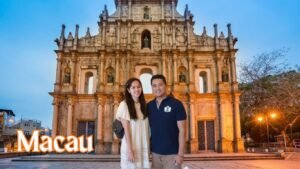
Ruins of St. Paul’s
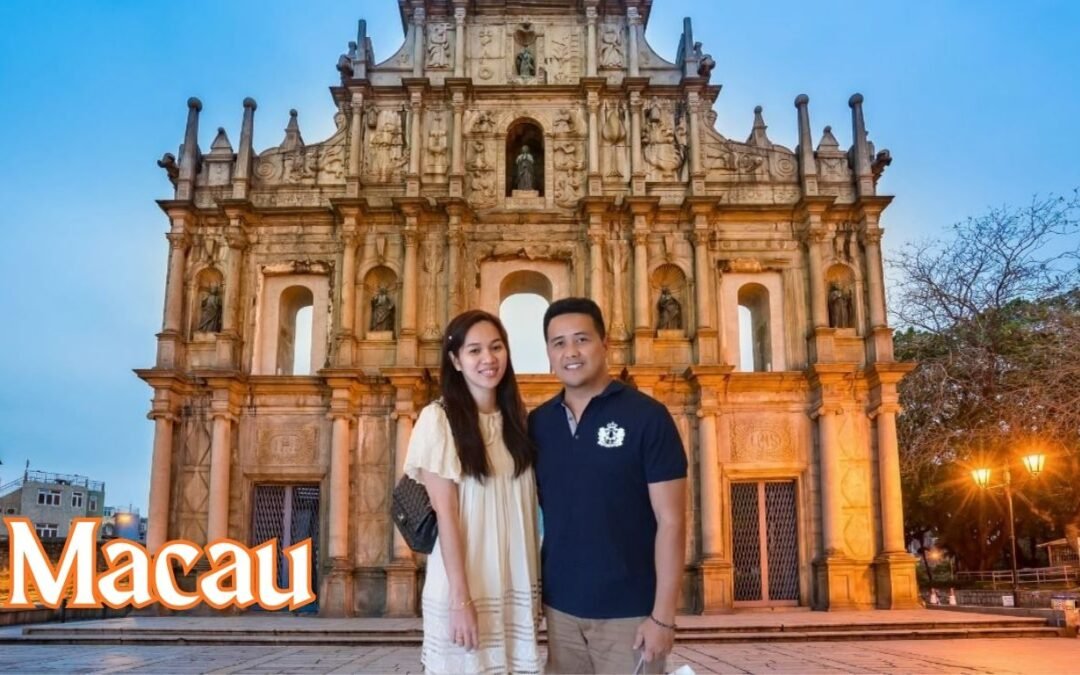
The Ruins of St. Paul’s façade is Macau’s most iconic landmark: a dramatic remnant of a 17th-century church and college destroyed by fire. The carved stonework blends European and Asian motifs, and the staircase provides a classic city viewpoint. Visit early morning for fewer crowds and better photos. Pair it with Mount Fortress for panoramic views and a deeper historic loop.
St. Dominic’s Church
Near Senado Square, St. Dominic’s Church is a baroque-style site with a bright, photogenic exterior and calm interior atmosphere. It remains an active place of worship, so visit respectfully. Small museum elements may be available; even a quick stop delivers strong heritage value at minimal cost.
Mount Fortress & the Macao Museum
Mount Fortress is a historic defensive site above the city, now functioning as a public park with sweeping views. Walking the ramparts and enjoying the lookout is free. The Macao Museum inside provides deeper context on Macau’s layered identity—maritime trade, cultural fusion, and modern city life. Entry fees (if any) are often modest, and some free-entry windows may exist depending on policy at the time of your visit.
A-Ma Temple
A-Ma Temple is one of Macau’s oldest and most significant Chinese temples, dedicated to Mazu, the sea goddess. Built into the slope near Barra, it’s free to enter and offers a layered, atmospheric walk through pavilions, incense coils, and carved stone details. It’s also one of the most meaningful “cultural depth” stops because it connects directly to Macau’s maritime identity.
Guia Fortress, Chapel & Lighthouse
Guia Hill combines history, nature, and panoramic views. The fortress and lighthouse area is a classic free viewpoint, and the chapel’s artwork reflects Macau’s cultural blending. You can hike up, take a short trail, or use transport depending on your pace. It’s especially nice in cooler seasons when walking feels comfortable.
Lou Lim Ioc Garden
Lou Lim Ioc Garden is a free, calming stop that feels like a different world: lotus ponds, moon gates, rockeries, and shaded pavilions. It’s a budget traveler’s “reset space”—a place to slow down, recover from walking, and enjoy quiet without spending money.
Hac Sa Beach & Coloane Village
Coloane offers a softer, slower Macau. Hac Sa Beach is one of the area’s main outdoor escapes, and Coloane Village has pastel houses, a waterfront promenade, and local snack shops. This is an ideal day if you want nature and a break from urban crowds. You can keep spending low by focusing on walking, picnics, and simple local food.
Macau Tower (Budget-Friendly Even Without Tickets)
Macau Tower is a dramatic modern icon. Tickets are required for the observation deck and adventure activities, but you can still enjoy the area for free: watch the atmosphere, see the skyline, and observe thrill-seekers. Treat it as a “look and feel” stop unless an observation ticket is a deliberate splurge.
The Parisian Macao Eiffel Tower Light Show
Cotai’s themed resorts can be surprisingly budget-friendly as “free spectacle” zones. The Parisian’s Eiffel Tower light show can be enjoyed from the ground at no cost. Wander Cotai in the evening for free lights, architecture, and people-watching, then return to your base using free shuttles.
Experiencing Macau’s Food & Culture on a Budget
Macau’s food scene reflects its history: Portuguese techniques, Cantonese staples, and a distinct Macanese identity shaped by centuries of trade. Eating well on a budget is realistic if you focus on local cafés, market-style eating, and snack streets instead of resort restaurants.
Macanese and Local Favorites
Look for classic Macanese dishes like minchi, Portuguese-style fried rice, and stew-style comfort plates in casual eateries. For quick snacks, pork chop buns are a staple, and Portuguese egg tarts (pastel de nata) are an easy budget treat. If you want variety without overspending, treat food as “small sampling” rather than large restaurant meals.
Street Food & Snack Streets
Around Senado Square, you’ll find stalls selling fish balls, curried snacks, soy milk, and simple sweets. In Taipa Village, Rua do Cunha is a classic grazing lane: almond cookies, jerky, egg rolls, and dessert stops. Many shops offer tastings—use them to decide what’s actually worth buying.
Markets & Souvenirs
Markets are excellent for low-cost cultural immersion. Even if you don’t cook, browsing fresh produce, dried goods, and local products helps you understand daily life. For edible souvenirs, snacks like almond cookies and egg rolls are popular because they travel well and don’t require big spending.
Festivals & Cultural Events
Macau’s calendar includes both Chinese and Catholic-rooted events. Many celebrations are free to watch—street parades, temple festivities, and seasonal light displays. If your travel dates overlap a major holiday, book accommodation early to avoid demand-driven price spikes.
Where to Stay: Finding Cheap Hotels in Macau
Macau’s accommodation ranges from guesthouses and budget hotels to luxury resorts. Finding cheap hotels in Macau is easier when you prioritize location and transport access. Cotai resorts are often the most expensive; budget travelers usually get better value on the peninsula or in Taipa.
Macau Peninsula (Historic Centre)
Staying near the historic core is the classic budget strategy: many major sights are walkable, and you minimize daily transport costs. Look for properties with strong cleanliness and safety review patterns and clear check-in rules. This area is ideal if you want to wake up and start sightseeing immediately without paying for transfers.
Taipa Village & Taipa Island
Taipa balances local charm with convenience. Taipa Village offers food streets, cafés, and a quieter vibe than Cotai, while still being close to transport hubs and shuttles. If you want easy airport access and straightforward connections, Taipa can be a strong value base.
Coloane Island
Coloane is best for travelers who want tranquility and nature. Options can be limited, but you gain a quieter atmosphere near beaches and trails. This is a good choice if you’re treating Macau as a slow, restorative trip rather than a fast landmark sprint.
Cotai Strip (Visit for Free, Stay Only if the Deal Is Right)
Cotai is spectacular to visit—lights, architecture, and free shuttles—but staying there is usually expensive. Occasionally, off-peak weekday promotions can make a resort stay reasonable. If you want one “splurge night,” choose it deliberately and use the resort amenities fully. Otherwise, stay in the peninsula or Taipa and visit Cotai in the evening for free.
Money-Saving Tips for Budget Travel to Macau
- Use buses, LRT, and free shuttles. Shuttles can replace many taxi rides, especially for airport, ferry, and Cotai transfers.
- Walk the Historic Centre. Cluster sites (Senado Square → St. Dominic’s → St. Paul’s → Mount Fortress) into one loop day.
- Prioritize free landmarks. Churches, temples, squares, gardens, fortresses, and viewpoint hills deliver high value without fees.
- Eat like a local. Choose cafés, snack lanes, and market-style eating instead of resort restaurants.
- Carry small bills. You’ll use them constantly for transport and snacks.
- Use Wi-Fi strategically. Download offline maps, save key Chinese/Portuguese place names, and reduce navigation stress spending.
- Travel in shoulder seasons when possible. Better weather + less demand often improves lodging value.
- Control paid attractions. If you pay for one major viewpoint or museum, make it intentional and build the rest of the day around free stops.
Sample Itineraries for 2–3 Days
Day 1: Dive into the Historic Centre
Start at Senado Square early when crowds are thin. Grab a simple breakfast (egg tarts and tea or a café snack), then walk to St. Dominic’s Church. Continue along the lanes toward the Ruins of St. Paul’s, climb the steps, and enjoy the view. From there, head up to Mount Fortress for rampart walks and panoramic photos. If you want deeper context and timing aligns, visit the Macao Museum for a focused cultural overview.
After lunch at a casual café or local eatery, take a bus to A-Ma Temple for a different cultural atmosphere. End your day with free evening entertainment: stroll Cotai for lights and architecture, watch a fountain or light show, and return to your base via free shuttles.
Day 2: Viewpoints, Gardens, and Taipa Village Food
Start at Guia Hill for panoramic views and a mix of fortress history and nature. Then slow down at Lou Lim Ioc Garden for a calm break. In the afternoon, head to Taipa Village and treat Rua do Cunha like a snack crawl: sample a few items with intention rather than buying everything. If you want a simple cultural stop, visit a small heritage site in the area, then end the night on Cotai for the Parisian Eiffel Tower light show (free from the ground).
Day 3: Coloane Nature Day + Modern Macau Option
If you have a third day, go south to Coloane. Start at Hac Sa Beach for a long walk and a low-spend morning. Explore Coloane Village for pastries and quiet streets. If you like hiking, choose a short trail for viewpoints. Later, visit Macau Tower as an optional modern stop—either a ground-level visit for atmosphere or a controlled splurge for an observation ticket. Finish with a simple meal near your accommodation and a final night walk through the historic lanes.
Macau on a Budget
Macau proves that a destination famous for luxury can still be enjoyed on a modest budget. The city’s compact size and dense concentration of landmarks make it ideal for short getaways. With smart planning, you can combine UNESCO heritage walks, temples, gardens, beaches, and free resort spectacles into a rich itinerary that doesn’t rely on expensive tickets. By using public buses and free shuttles, staying in well-located cheap hotels in Macau, and eating at local cafés and snack streets, you can keep spending stable while still experiencing the city’s best contrasts.
Beyond neon lights and casino floors lies a vibrant heritage blending Chinese, Portuguese, and maritime influences. Wander wave-patterned plazas, climb fortresses, pause in quiet temples, and taste a cuisine shaped by centuries of trade. Macau rewards travelers who explore slowly and thoughtfully—where the best moments often cost the least. Plan ahead, travel light, and keep your itinerary walkable, and you’ll discover an enchanting city where East meets West and past meets present—without breaking your budget.