Thailand ■ Cambodia ■ Vietnam ■ Singapore ■ Taiwan ■ Macau ■ Hong Kong ■ South Korea ■ Russia
Kuala Lumpur, the cosmopolitan capital of Malaysia, offers a heady mix of gleaming skyscrapers, historic temples, lush parks, and vibrant street markets. It’s one of Southeast Asia’s easiest big-city trips to plan: flights are frequent from many regional hubs, entry rules are straightforward for a wide range of nationalities, and the city’s overall value is strong compared with other major capitals. For budget-conscious travelers, Kuala Lumpur delivers a rare combination: excellent public transport, filling street food, and a long list of affordable attractions in Malaysia that don’t require constant ticket buying.
This comprehensive guide explains how to enjoy budget travel to Malaysia while exploring the best of Kuala Lumpur. Each section uncovers free or low-cost attractions, practical tips for keeping expenses down, recommended neighborhoods with cheap hotels in Malaysia, and cultural insights to enrich your visit.
Why Kuala Lumpur Appeals to Travelers
Malaysia’s capital is a modern metropolis built around a multicultural heritage. You’ll see the Petronas Towers piercing the sky beside colorful temples and colonial-era architecture. English is widely spoken in Kuala Lumpur, and the city’s population includes Malay, Chinese, and Indian communities—so within a small radius you’ll encounter mosques, Hindu temples, Chinese temples, churches, and gurdwaras. That diversity shapes the food, the festivals, and the everyday street life, making Kuala Lumpur feel both accessible and endlessly interesting.
For budget travelers, Kuala Lumpur is especially attractive because it is practical. Public transport is reliable, street food is widely available, and many sightseeing days can be built around parks, walking routes, markets, and free landmarks. The city’s “high-impact, low-cost” rhythm is simple: spend on what truly matters to you (one viewpoint, one museum, one special meal), then fill the rest of your itinerary with places that are free to enjoy.
Before you embark on this Kuala Lumpur adventure, here are a few key facts:
- Visa and entry: Entry rules vary by nationality and can change, so confirm requirements before booking flights. Immigration may request proof of onward travel, accommodation details, and sufficient passport validity depending on your passport and circumstances.
- Currency: The Malaysian ringgit (MYR) is used throughout the country. Cards are widely accepted in hotels and malls, but smaller markets and some local transport still prefer cash. ATMs are common in the city and at Kuala Lumpur International Airport.
- Language and culture: Bahasa Malaysia is the national language, but English is widely understood in tourist areas, hotels, and restaurants. Dress modestly when visiting places of worship and remove shoes where required.
- Climate: Kuala Lumpur has an equatorial climate—hot and humid year-round. Rain can be intense but often short. Carry a compact umbrella, breathable clothing, and a refillable water bottle.
Preparing for Your Budget Trip
Smart preparation is one of the easiest ways to keep costs low. Book flights earlier when possible, compare arrival times (late-night arrivals often trigger expensive transfers), and keep your first day light so you don’t pay “stress spending” costs after a long journey. Travel insurance is recommended for medical coverage and basic trip protection.
Money-Saving Essentials
Once you arrive at the airport, resist the temptation to default to a taxi. Kuala Lumpur has budget-friendly rail and coach options that can bring you to the city for a fraction of the cost. The airport rail link connects the airport area with KL Sentral, the city’s main transport hub, and coaches also run between the airport and central stops. From KL Sentral, you can connect to commuter trains, the light rail transit (LRT), the mass rapid transit (MRT), and the monorail.
Purchase a reloadable Touch ’n Go card (or the current equivalent used across rail lines and many systems) to simplify transport payments. Tap-and-go systems reduce ticket lines, minimize mistakes, and keep your day moving efficiently—important for budget travel because time waste often turns into extra spending.
While credit cards work well in malls and many restaurants, keep some cash for markets, street stalls, and small purchases. Holding small bills makes everyday transactions smoother, especially when you’re grabbing snacks or paying for short rides.
Getting Around Kuala Lumpur on a Budget
Kuala Lumpur’s integrated transport system is efficient and reasonably priced. With careful planning, you can explore the city’s highlights without using expensive taxis. Here’s how to get around.
Rapid Transit Networks
The city is served by KTM Komuter, LRT, MRT, and monorail lines. Trains are generally air-conditioned, safe, and easy to use. Major attractions are connected by a mix of lines and interchanges—so you can build days around one area, then shift districts without paying for private rides. Signage is typically bilingual (Malay and English), and route maps are clearly displayed.
Go KL City Bus
Kuala Lumpur’s Go KL City Bus routes are popular for sightseeing because they connect key zones like KLCC, Bukit Bintang, and Chinatown. Policies and fares can change over time (including whether rides are free or require a small payment for certain riders), but regardless, these buses tend to remain one of the most cost-effective ways to move around the city center. They’re also useful on days when the heat makes walking feel heavier.
Routes commonly used for sightseeing include:
- Green Line: Often connects KLCC and Bukit Bintang, useful for shopping areas and city-center walking routes.
- Purple Line: Commonly links areas around Chinatown/Central Market with other central districts, useful for heritage stops.
- Other lines: Useful for KL Sentral connections and local neighborhoods, depending on where you stay.
Ride-Hailing and Taxis
When public transport doesn’t match your route—especially late at night—ride-hailing apps are often the most practical option. The advantage is transparency: you see the fare estimate before confirming, and you avoid awkward negotiations. Just remember that toll charges may apply depending on the route.
For short distances in central Kuala Lumpur, walking is often the best budget strategy. It costs nothing, gives you street-level atmosphere, and helps prevent the “one quick ride” habit that quietly inflates daily spending.
Affordable Attractions in Kuala Lumpur
Kuala Lumpur offers many attractions that are either free or low-cost. Below is a detailed look at the highlights, along with practical notes for budget travel to Malaysia.
KLCC Park and the Petronas Twin Towers (Ground Views + Free Night Atmosphere)
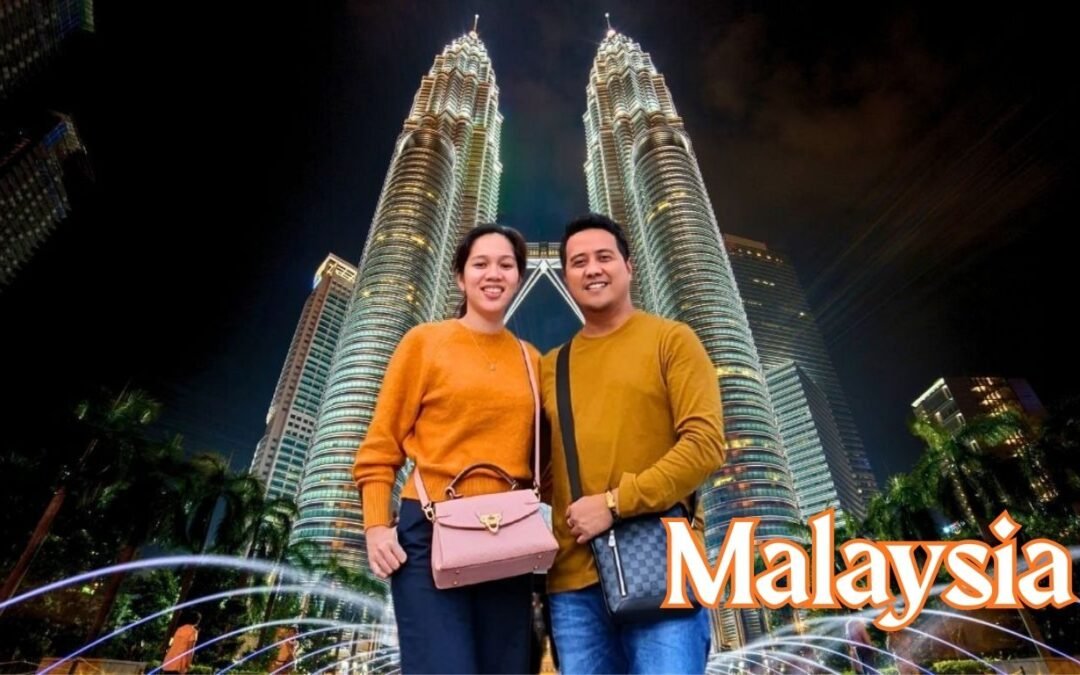
The Petronas Twin Towers are Kuala Lumpur’s most iconic sight. While tickets may be required to go up to the skybridge and observation deck, budget travelers can still enjoy a high-value experience without paying: admire the towers from the plaza, explore the surrounding KLCC area on foot, and spend time in KLCC Park, a landscaped green space with walking paths and a lake. In the evening, the area becomes even more photogenic as lights reflect off glass towers and the park atmosphere feels lively.
Budget tip: Plan KLCC for late afternoon into evening. You’ll get daylight photos, cooler temperatures, and the “big city” energy that makes Kuala Lumpur feel special—without buying tickets.
Merdeka Square and the Sultan Abdul Samad Building
Merdeka Square (Dataran Merdeka) is one of the city’s most important historic zones. The square and surrounding buildings offer a strong sense of Malaysia’s civic identity and colonial-era architecture. Nearby landmarks include the Sultan Abdul Samad Building, old rail architecture, museums, and churches—many clustered within easy walking distance. This is a classic budget stop because the main activity is simply walking, looking, and photographing.
Best approach: Do this area in the morning or late afternoon when the heat is easier. Pair it with Chinatown afterward so your day stays clustered.
Central Market and Petaling Street (Chinatown)
Central Market (Pasar Seni) is a convenient hub for crafts, souvenirs, and browsing. Even if you don’t buy anything, walking through the building and nearby streets gives you a quick cultural snapshot. A short walk away, Petaling Street is the lively heart of Chinatown with stalls, street food, and bargain-hunting energy. Browsing costs nothing—unless you let impulse purchases take over.
Budget tip: Treat Chinatown as a “browse first, buy later” zone. Take mental notes or photos of prices, then decide what’s actually worth buying on your final day.
Batu Caves
Batu Caves is one of Kuala Lumpur’s best high-impact, low-cost day trips. The site is a sacred Hindu pilgrimage destination, famous for its towering golden statue and colorful staircase leading to large limestone caves. Entry to the main cave area is typically free, though certain sections or special caves may require tickets. To keep costs down, use public transport rather than private tours, and visit early to avoid heat and peak crowds. Be mindful of macaques—keep food sealed and hold onto small items.
Thean Hou Temple
Thean Hou Temple is a striking hilltop Chinese temple complex known for sweeping roofs, ornate details, and a calm atmosphere that contrasts nicely with Kuala Lumpur’s traffic. Entry is generally free, and the grounds are designed for slow exploration: gardens, decorative halls, and photo spots that feel special without requiring tickets. Visit near sunset for softer light and a quieter mood.
National Mosque (Masjid Negara)
The National Mosque is one of Kuala Lumpur’s most impressive architectural sites. Visitors are generally welcome outside prayer times, and modest dress is required (robes and head coverings are often provided on-site). Even a short visit offers cultural depth, especially if you take advantage of guided explanations when available.
Perdana Botanical Gardens (Tun Abdul Razak Heritage Park)
If you want a “reset day” without leaving the city, Perdana Botanical Gardens is a great budget move. Green space reduces fatigue, and fatigue is one of the biggest hidden triggers for overspending. The gardens and surrounding park areas offer walking routes, shaded spots for breaks, and a calmer pace that balances out intense sightseeing days.
Pack-smart strategy: Bring snacks and water so your park day stays genuinely low-cost. It’s easy to accidentally spend more when you have to keep buying drinks.
KL Forest Eco Park (Budget Checkpoint for Paid Entry)
KL Forest Eco Park is a rare inner-city nature escape with canopy walkways that deliver a very “tropical rainforest” feel. Entry fees may apply and can be significant depending on visitor category, so treat this as an optional “paid highlight” rather than a default stop. If you’re keeping spending tight, you can still enjoy the KL Tower area and city views from outside without entering the park.
Other Budget-Friendly Attractions
- Sin Sze Si Ya Temple and Sri Mahamariamman Temple: Historic temples around Chinatown that showcase Chinese and Hindu architecture. Entry is typically free; dress respectfully.
- Islamic Arts Museum Malaysia: A solid rainy-day option with air-conditioned galleries and well-curated exhibits. Entry fees are usually modest for the value.
- Titiwangsa Lake Park: A free, relaxing park with good walking paths and photo spots.
- Kampung Baru: A traditional Malay neighborhood with a strong contrast of wooden houses against modern skyscrapers. Great for walking and affordable food.
- Street art in Kwai Chai Hong: A photogenic alley area with murals that can be enjoyed for free.
Eating on a Budget: Kuala Lumpur’s Food Scene
One of the joys of visiting Kuala Lumpur is its diverse cuisine. Influenced by Malay, Chinese, Indian, and indigenous traditions, the city’s food is packed with flavor and remains remarkably affordable. The most budget-friendly meals are often found at hawker stalls, markets, kopitiams, and “mamak” eateries.
Street Food and Hawker Culture
Jalan Alor: A famous night food street in Bukit Bintang with grills, open-air seating, and an energetic atmosphere. It’s fun, but easy to overspend—go with a plan, share dishes, and stop when you’re satisfied.
Chinatown food lanes: Around Petaling Street, you’ll find snacks, buns, noodles, and sweets. The best approach is “small sampling”: pick two or three items you truly want rather than grazing endlessly.
Mamak stalls: These casual, often late-night eateries are a budget staple. Expect options like roti canai with curry, nasi kandar, and pulled tea. Portions are hearty and the vibe is local.
Kopitiams: Traditional coffee shops are ideal for low-cost breakfasts. Pair a coffee with kaya toast or other local staples for a simple start to the day.
Food Courts and Markets
Shopping-mall food courts can be surprisingly useful: you get many choices, air-conditioning, and controlled spending. Markets are also excellent for budget meals—especially “mixed rice” stalls where you choose rice plus add-ons.
Tips for Eating Cheaply
- Eat where locals eat. Busy stalls usually mean fresher turnover and better flavor.
- Carry small bills. Many street vendors don’t have change for large notes.
- Stay hydrated strategically. A reusable bottle helps, but refill with safe water sources.
- Use markets for snacks and meals, but avoid “double spending” (market snacks + full restaurant dinner) unless it’s intentional.
- If you have dietary restrictions, learn a few simple phrases or keep a translation note ready on your phone.
Finding Cheap Hotels in Kuala Lumpur
Accommodation costs vary widely, but budget travelers can find comfortable options in Kuala Lumpur: guesthouses, backpacker hostels, capsule hotels, and compact budget hotels. The key is location value. A slightly higher nightly rate can still be cheaper overall if it saves you long commutes, extra transfers, or constant ride-hailing.
Chinatown (Petaling Street)
Chinatown is ideal if you want food, markets, temples, and affordable attractions in Kuala Lumpur within walking distance. It’s also well connected via Pasar Seni and nearby transit lines. Expect plenty of hostels and simple hotels. If you value sleep, choose rooms away from the busiest lanes.
Bukit Bintang and the Golden Triangle
This is the shopping and nightlife hub, with many budget options on side streets. Staying here puts you close to food streets and malls, but it can be noisy at night. It’s great for travelers who want energy and convenience—just set spending boundaries, because “fun districts” can trigger impulse buys.
Brickfields (Little India) and KL Sentral
Brickfields is colorful, food-rich, and practical because it’s near KL Sentral. This area is especially convenient for airport transfers and day trips by train. It can be a strong base for travelers who prefer logistics ease over nightlife.
Outside the City Centre (Value + Local Feel)
If you don’t mind commuting, neighborhoods outside the core can offer better-value stays and a more local rhythm. The rule is simple: stay near a train station. The moment you rely on frequent taxis, any “cheaper hotel” becomes expensive.
Accommodation Tips
- Book flexible rates when possible; prices can fluctuate.
- Check reviews for cleanliness, safety, and distance to public transport.
- For pairs or groups, splitting a private room can be better value than multiple dorm beds.
- Hostels with kitchens can reduce food spending if you prepare simple breakfasts.
Sample Budget Itineraries
These sample itineraries pack in highlights without overspending. Adjust the pace depending on your interests, weather, and energy.
Three-Day City Explorer
Day 1: Start at KLCC for ground views of the Petronas Twin Towers. Walk KLCC Park and treat it as a slow, scenic afternoon. In the evening, enjoy the KLCC area’s night atmosphere. Then move toward Bukit Bintang via walking routes or convenient transit. End with a controlled street-food dinner (choose a few items, not endless grazing).
Day 2: Take public transport to Batu Caves early. Return to the city and spend midday in Chinatown: Central Market and Petaling Street browsing. Later, walk to Merdeka Square and nearby historic buildings for photos and architecture. Keep dinner simple—mamak food or market-style snacks are budget-friendly.
Day 3: Spend the morning in Perdana Botanical Gardens for a calm reset. Pair nearby cultural stops such as the National Mosque area and a museum if you want an indoor portion of the day. In the late afternoon, head to Thean Hou Temple near sunset for a peaceful finish. If you still have energy, end with a final night-market snack rather than a full spending-heavy outing.
Four-Day Alternative with a Day Trip
Day 1–2: Follow the first two days above.
Day 3: Take a day trip to Putrajaya. The architecture and waterfront areas are visually impressive, and many key landmarks can be enjoyed through walking and photography. Keep this day low-cost by focusing on free outdoor spaces and limiting paid extras.
Day 4: Choose one optional paid highlight (KL Forest Eco Park canopy walk) or keep the day fully budget by exploring markets and parks. Chow Kit Market can be great for local atmosphere, and Titiwangsa Lake Park is a free, relaxing way to end your trip.
Seasonal Tips and When to Visit
Kuala Lumpur is warm year-round, but rainfall patterns shift with monsoon seasons. Rain often comes in short bursts, so the best strategy is not avoiding rain entirely—it’s planning your day around it. Do outdoor walking routes in the morning and save museums, malls, or long meals for the afternoon when showers are more likely.
- Shoulder periods: Often a good balance of manageable weather and lighter crowds.
- Peak holiday windows: Can increase demand for accommodation; book earlier if traveling around major festivals.
- Festival seasons: Add cultural value (temple visits, special decorations, public events) but can also increase crowd pressure in key areas.
Safety, Etiquette and Local Customs
Kuala Lumpur is generally safe for visitors, but standard city precautions apply. Keep your belongings close in crowded markets, use bags that zip, and avoid flashing valuables. At night, stick to well-lit streets and use ride-hailing if you’re unsure about the area.
When visiting mosques and temples, dress modestly: cover shoulders and knees, remove shoes where required, and keep voices low. Women may need a head covering in certain mosques; many provide robes for visitors. Always ask before photographing worshippers or prayer areas.
Bargaining is common in street markets. Negotiate politely and be willing to walk away. For services like ride-hailing, tipping is not required, though rounding up small amounts is often appreciated.
Day Trips and Extensions
If time allows, venture beyond Kuala Lumpur to see more of Malaysia. These extensions can be done on a budget if you use public transport and keep your day structured.
Putrajaya
Malaysia’s administrative capital is known for grand boulevards, Islamic-inspired architecture, and lakeside scenery. Many highlights are best enjoyed through walking routes and photography. A day trip can be kept simple: transport fare + meals, with minimal paid attractions.
Melaka (Malacca)
Melaka is a UNESCO-listed heritage city with layered history and compact sightseeing. It’s often reached by bus and works as either a long day trip or an overnight. Focus on walking routes: historic streets, river walks, and night markets.
Genting Highlands
Genting offers cooler air and mountain views. It’s known for entertainment complexes, but you can tailor the experience to your budget: go for the scenery, cable car views, and a change of climate rather than expensive paid activities.
Malaysia on a Budget
Kuala Lumpur demonstrates that world-class travel experiences don’t require a high price tag. By using public transport, staying in strategic neighborhoods, eating like a local, and focusing on affordable attractions in Malaysia, you can enjoy the city’s culture, history, and cuisine without overspending. Plan around lighter crowd periods when possible, book smart, and keep your itinerary structured around walkable clusters.
The city rewards travelers who move with intention. Spend on what matters most to you, then let the rest of Kuala Lumpur fill your days with free landmarks, lively markets, and diverse food scenes that deliver value. With a little planning and an adventurous spirit, budget travel to Malaysia becomes more than an inexpensive trip—it becomes a doorway to deeper cultural experiences and future journeys across the region.