Thailand ■ Cambodia ■ Vietnam ■ Malaysia ■ Singapore ■ Taiwan ■ Macau ■ Hong Kong ■ South Korea
Russia spans two continents and eleven time zones, yet for most visitors the adventure begins in Moscow. The capital dazzles with onion domes, wide boulevards, and Soviet-era monuments, but behind the grand façade are parks, markets, museums, and neighborhoods where travelers can soak up Russian culture on a modest budget. This cornerstone guide is built for travelers who want a practical, detailed approach to budget travel to Russia, with a clear emphasis on Moscow.
You’ll learn how to plan around seasons, move around the city efficiently, prioritize affordable attractions in Moscow, and choose smart areas for cheap hotels in Moscow without sacrificing safety or convenience. You’ll also find cultural tips that help you blend in, reduce stress, and avoid common tourist mistakes. While Moscow is the main focus, the guide includes easy, time-efficient side trips to the Golden Ring and a brief optional overview of St. Petersburg— useful if you’re extending your trip or connecting cities by train.
Why Moscow Works for Budget Travel to Russia
Moscow can look intimidating online—luxury stores, grand theaters, dramatic architecture—but it’s also a city where many iconic experiences don’t require big spending. You can stand in Red Square at dawn, walk through landscaped parks with river views, ride a metro system that feels like an art museum, and explore neighborhoods with centuries of history—all while keeping costs controlled.
Moscow is also practical. Public transport is fast and extensive, the historic core is surprisingly walkable if you cluster sights by area, and budget-friendly dining options are widespread once you know what to look for. With careful planning, you can build a rich itinerary centered on culture, architecture, and everyday city life while keeping your trip financially comfortable.
Entry and Essentials for International Travelers
Visa and entry planning
Entry rules can change, and the safest approach is to confirm the latest requirements through official Russian consular channels before finalizing flights. If an e-visa option applies to your nationality at the time of travel, it may simplify planning. If a regular tourist visa is required, you’ll typically need standard documents such as a passport with sufficient validity, an application, a photo, travel insurance, and supporting travel details. Treat the visa as the first step in your timeline and avoid booking non-refundable travel until you’re confident about eligibility and requirements.
Travel insurance and health basics
Travel insurance is not just a checkbox. It can be useful for medical support, trip disruption, and documentation needs. Keep a digital copy and a printed copy. If you take prescription medication, pack it in original packaging, bring a copy of your prescription, and carry enough for the entire trip plus a buffer.
Money, cards, and payments
Payment conditions in Russia may differ from what you’re used to. Plan for a mix of cash and card options. Keep small bills for kiosks, markets, and quick snacks. ATMs are common in Moscow, but international card acceptance can be inconsistent depending on banks and current rules. The practical approach is to prepare backups: a primary payment plan, a secondary option, and enough cash for daily needs.
Connectivity: SIM, data, and navigation
Mobile data makes Moscow dramatically easier—especially for maps, metro routes, and translation. Consider a local SIM or an eSIM if compatible with your phone and travel plan. Download offline maps of Moscow before arrival, and install a translation app that works offline for street signs and menus. Even basic Cyrillic recognition reduces friction in metro stations and on buses.
When to Visit Moscow: Seasons, Comfort, and Crowd Strategy
Timing affects both comfort and cost. Moscow has warm summers and long, cold winters, with big differences in daylight and walking comfort. Your ideal season depends on cold tolerance, photography preferences, and whether you want festivals or calmer streets.
Spring (April to May): a strong balance
Spring brings longer daylight and a city that feels newly alive. Early spring can still be chilly, but late spring often offers a great mix of mild weather and manageable crowds. If you want to focus on walking routes, parks, and architecture without peak-season density, spring is a smart choice.
Summer (June to August): long days and full energy
Summer is the easiest season for outdoor time and long walks, but it’s also the busiest. For budget travel, summer works best if you plan early, book accommodation sooner, and build your days around free parks, scenic walks, and disciplined museum scheduling.
Autumn (September to October): golden light and calmer pace
Early autumn is one of Moscow’s most beautiful periods. Parks turn golden, temperatures are often comfortable for walking, and the overall pace feels calmer than summer. It’s excellent for photography and for travelers who want a quieter city feel while still enjoying outdoor time.
Winter (November to March): cinematic Moscow and off-peak advantages
Winter is real winter—snow, wind, and short daylight—but Moscow can look cinematic under snow and lights. Indoor cultural activities shine: metro station routes, museums, galleries, and cozy cafés. If you dress properly and plan around daylight, winter can be strategic for budget travel to Russia because crowds are lower and availability can improve. Note that late December and early January can be festive and busy around New Year.
Where to Stay in Moscow: Picking Areas for Cheap Hotels in Moscow
For cheap hotels in Moscow, location strategy matters as much as the property itself. Moscow is huge, but a well-connected metro station can make “far” feel surprisingly close. Instead of thinking only in kilometers, think in metro lines, transfers, and walking time to the station.
Best-value areas for first-time visitors
- Inside or near the Garden Ring: close to core sights with reliable transport access—ideal for minimizing transit time and maximizing walkability.
- Kitay-Gorod vicinity: excellent for walking to Red Square and historic districts; prices can be higher, but deals exist, especially for hostels and smaller properties.
- Tverskaya and nearby streets: central, busy, and convenient; good for a straightforward first-time experience and quick metro access.
- Arbat area: walkable and tourist-friendly with many dining options; good if you like a classic “old Moscow” vibe.
Smart budget alternatives outside the center
- Sokolniki: calmer atmosphere with a large park and strong metro access.
- Baumanskaya and adjacent stations: often good value with a more local feel while still connecting efficiently to the center.
- University and southwest corridors: quieter areas where budget stays may feel less hectic than central districts.
Hotel selection checklist
- Walking time to a metro station (this matters more than neighborhood prestige).
- Recent reviews mentioning cleanliness, heating/airflow, and noise control.
- Clear check-in rules, especially if arriving late.
- Stable Wi-Fi if you’ll rely on navigation and translation.
- For hostels: lockers, linens/towels details, and security procedures.
Getting Around Moscow: Budget Transport That Saves Time
Moscow’s public transport is one of the best tools for budget travel. It’s fast, extensive, and designed for daily commuting at scale. If you plan transport well, you spend less time in traffic and more time experiencing the city.
The Moscow Metro as an attraction
The metro is not just transportation—it’s an art and history experience. Stations feature marble, mosaics, chandeliers, and Soviet-era symbolism. Build a self-guided “metro gallery route” and treat it as one of the most memorable affordable attractions in Moscow. Go off-peak if possible to enjoy stations with less crowd pressure.
Using a transport card
A reusable transit card (or tap-based payment options where available) reduces friction and can be cheaper than single fares. Load it once, then top up as needed, so every ride becomes simple and stress-free.
Walking strategy in central Moscow
The historic core is very walkable if you cluster sights. Plan your day in zones to avoid zigzagging. A classic cluster is Red Square + Kremlin surroundings + Alexander Garden + Zaryadye Park—one strong day with minimal transfers.
Understanding Moscow’s Historical Tapestry
Moscow is a layered timeline: medieval foundations, imperial churches, Soviet grandeur, and modern architecture share the same skyline. Exploring with awareness of these layers helps you understand why the city looks and feels the way it does.
The Kremlin: fortress of power and faith
The Kremlin is the most recognizable symbol of Moscow’s history and authority. Even if you don’t enter every museum inside, viewing walls and towers from surrounding areas delivers the “Moscow moment.” If you do enter, plan with intention: focus on cathedral architecture, historic squares, and one select museum rather than trying to do everything in one visit. This keeps the day efficient and prevents budget leaks through impulse add-ons.
Budget tip: the surrounding areas are rich even without tickets. Alexander Garden is free, beautifully maintained, and includes the Tomb of the Unknown Soldier and ceremonial guard routines.
Red Square: the ceremonial heart of Moscow
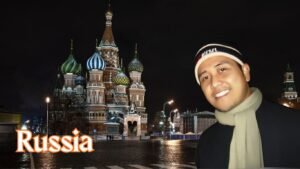
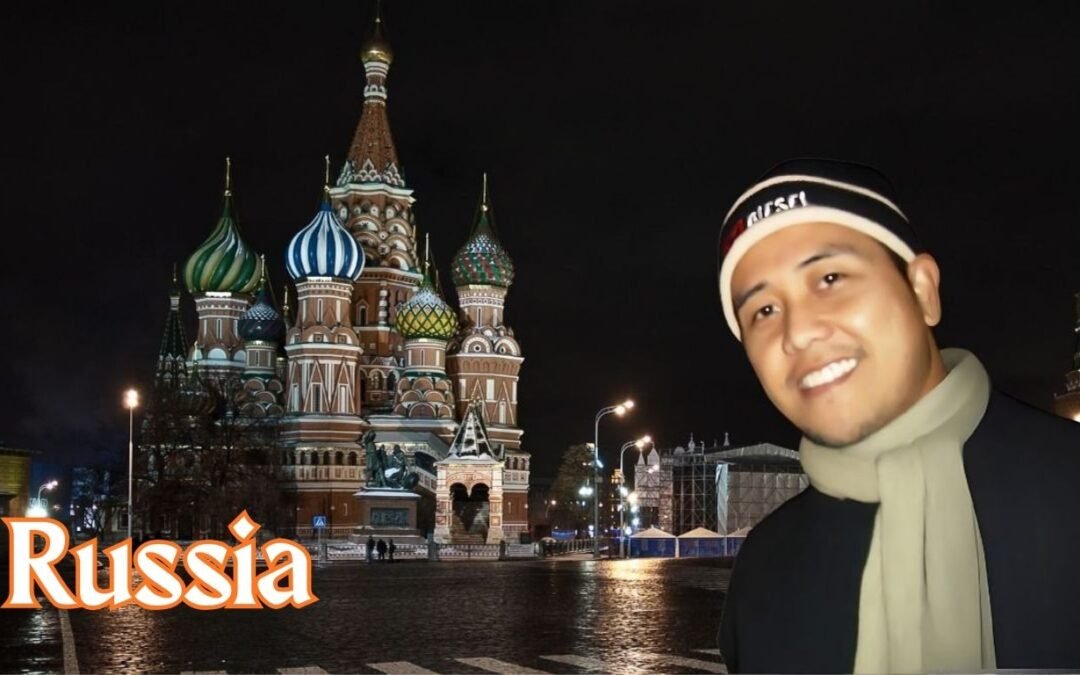
Red Square is free to enter and rewards repeat visits. Go early for softer light and fewer people, then return at night for illuminated architecture. Saint Basil’s Cathedral is unforgettable even from the outside, and the surrounding historic façades create a cinematic sense of place.
GUM: window-shopping as an architectural experience
GUM is a luxury retail arcade, but it’s also a public architectural experience. You can admire the glass roof, iron bridges, and elegant corridors without buying anything. It’s especially useful in winter as a warm-up stop between outdoor sights.
Affordable Attractions in Moscow You Should Prioritize
The best budget itinerary isn’t about seeing every museum. It’s about prioritizing places that deliver high experience value with low friction. These highlights combine cultural impact, walkability, and budget-friendly access.
Zaryadye Park: modern Moscow with iconic views
Zaryadye Park is near the historic core and is known for its floating bridge with panoramic river and Kremlin views. It’s ideal for sunset, city photography, and a low-cost break between history-heavy stops.
Gorky Park: local life, river air, and free events
Gorky Park is a huge social space where residents walk, skate, exercise, and meet friends. In warm months, you’ll often find open-air activities and a lively public atmosphere. In colder months, the park becomes part of winter city life, with seasonal installations and skating culture.
VDNKh: Soviet-era grandeur at massive scale
VDNKh is a sprawling exhibition complex with monumental pavilions and symbolic fountains. You can explore the grounds extensively without needing to spend much. If you want Soviet history, architecture, and big open space in one place, VDNKh is a top value stop.
Patriarch’s Ponds: quiet elegance and literary atmosphere
This area offers a calmer Moscow experience—tree-lined streets, refined buildings, and a slower pace. It’s ideal if you want to see a more intimate side of the city without paying for a formal attraction.
Old Arbat: street culture, souvenirs, and people-watching
Old Arbat is one of Moscow’s classic pedestrian streets. Even if you skip souvenirs, it’s worth visiting for atmosphere: street performances, cafés, and constant people movement. It’s a low-cost way to experience Moscow’s everyday rhythm.
Moscow’s Museums and Cultural Stops on a Budget
Moscow has world-class museums and performance venues. The budget approach is to choose a few high-impact sites, schedule them thoughtfully, and balance indoor time with free outdoor experiences.
Tretyakov Gallery: the story of Russian art
If you want one museum that explains Russia’s cultural imagination—from icons to national painters—the Tretyakov is a strong anchor. Visit with a plan: focus on major eras and a few standout artists rather than trying to absorb every room.
Pushkin Museum: European art in Moscow
The Pushkin Museum complements the Tretyakov, especially if you enjoy broader European art history. Choose one focus area so you don’t spend an entire day indoors.
Bolshoi Theatre: prestige without overspending
The Bolshoi is a symbol of Moscow’s performing arts identity. Even without attending a performance, the façade and surrounding area are worth visiting. If you want tickets, plan ahead and use official channels where possible. Budget travelers win by avoiding overpriced resellers and by treating a performance as an intentional splurge, not a last-minute impulse.
Food Strategy: Eating Well Without Splurging
Moscow can be budget-friendly for food once you know the patterns. The key is balancing “experience meals” with reliable daily options.
Stolovaya: the budget traveler’s best friend
Stolovaya are cafeteria-style dining spots where you choose dishes from a counter—soups, salads, dumplings, pastries, and hearty mains. They are practical for lunch and help you avoid expensive tourist restaurants.
Street snacks and quick bites
Bakeries and quick stalls are useful for long sightseeing days. Warm pastries or simple dumplings keep you fueled without requiring a long sit-down meal. This strategy is especially helpful in winter.
Supermarket routine for daily savings
One of the easiest cost-control routines is buying breakfast items and snacks at a supermarket. It reduces restaurant spending frequency and supports long museum or walking days. It also helps on early departures for day trips.
Practical Etiquette and Safety in Moscow
Street smarts
- Keep valuables secured and avoid flashing cash in crowded areas.
- Use crossbody bags or secure backpacks in metro crowds.
- Keep digital copies of passport, visa, and insurance in a secure folder.
Church etiquette
Many churches welcome visitors outside service times. Dress modestly, speak quietly, and follow rules on photography. Respectful behavior helps you avoid awkward encounters and supports a smoother travel experience.
Language and communication
English is common in tourist zones but less so in local neighborhoods. Learning a few basics (hello, thank you, excuse me, “Do you speak English?”) helps. Translation apps are extremely useful, and pointing politely often works well in cafés and shops.
Day Trips Around Moscow: The Golden Ring (Budget-Friendly History)
The Golden Ring is a group of historic towns northeast of Moscow known for monasteries, kremlins, white-stone churches, and traditional architecture. You don’t need a multi-week circuit to enjoy it. One well-chosen day trip adds depth to your Moscow itinerary and shows a slower, older rhythm of Russian life.
Sergiev Posad: spiritual Russia close to the capital
Sergiev Posad is one of the easiest day trips from Moscow. Its famous monastery complex is visually striking and culturally significant. The town is compact enough for a comfortable day visit, making it an ideal “first Golden Ring” stop.
Suzdal: the open-air museum feeling
Suzdal is known for wooden houses, church silhouettes, and countryside atmosphere. It often feels “museum-like” because of how preserved it is. If you can manage the logistics, it’s one of the most rewarding Golden Ring experiences—especially if you stay long enough to enjoy the quieter evening mood after day-trippers leave.
Vladimir: medieval monuments and white-stone architecture
Vladimir offers a focused dose of medieval Rus’ history. It’s often paired with Suzdal and works well for travelers who enjoy architecture and want a concentrated day of historic monuments.
Yaroslavl: a larger city with riverside charm
Yaroslavl feels more like a functioning regional city than a purely tourist town. It’s a good option if you want a balance of history, river scenery, and everyday urban life beyond Moscow.
Rostov Velikiy: kremlin scenery and traditional crafts
Rostov Velikiy is known for photogenic kremlin-style architecture and craft traditions. It’s great for travelers who want a compact walking route with strong visuals.
A Glimpse of St. Petersburg: Optional Add-On for Longer Trips
If you extend beyond Moscow, St. Petersburg is the most common second city. It offers imperial architecture, canals, and museum culture at a different pace. Many travelers connect the two cities by train, and overnight options can reduce hotel nights.
Winter Palace and Palace Square
Palace Square delivers the “imperial Russia” atmosphere even if you don’t enter the museum complex. The scale, geometry, and surrounding buildings are unforgettable.
Church of the Savior on Spilled Blood
Famous for its colorful exterior and mosaic interior, this is a classic photo stop along canals. Even outside-only visits deliver strong visual impact.
If your main goal is Moscow, treat St. Petersburg as optional. Moscow alone supports a full itinerary, especially if you include parks, neighborhoods, and one Golden Ring day trip.
Budget-Saving Strategies That Actually Work
Build your itinerary around free anchors
Start with free anchors—Red Square, parks, metro architecture routes, and neighborhood walks—then add paid experiences selectively. Once the “free structure” is set, choose one or two paid museums that matter most to you.
Cluster attractions by area
Each day, choose one main district, one optional museum, and one park or scenic walk. This keeps your schedule realistic and reduces transport fatigue.
Use a supermarket routine
A daily supermarket stop for breakfast items and snacks protects your budget without reducing enjoyment. It’s also helpful in winter for quick warm drinks and easy food between sites.
Choose cheap hotels in Moscow based on transit, not prestige
The winning move is proximity to a metro station and a clean, reliable property—not chasing the most famous central streets. A short metro ride can be easier (and cheaper overall) than a long walk from a more expensive location.
Sample Itineraries (Moscow-Focused)
3-Day Moscow Budget Itinerary (First-Timer Friendly)
Day 1: Moscow icons and historic core
Start at Red Square early, walk around the Kremlin area, then explore Alexander Garden and nearby streets. Visit Zaryadye Park in the afternoon for panoramic views. End with a metro “art station” route and a short evening walk near the Bolshoi area.
Day 2: Art + local city life
Choose one major museum (Tretyakov or Pushkin), then balance the day with Gorky Park or a riverside stroll. In the evening, visit Old Arbat for atmosphere and casual dining.
Day 3: Golden Ring day trip
Take an early trip to Sergiev Posad for monastery architecture and small-town pace, then return to Moscow for a relaxed final evening in a park or café.
5-Day Moscow Itinerary (Deeper, Still Budget-Aware)
- Day 1: Red Square + Kremlin surroundings + Zaryadye Park.
- Day 2: Tretyakov + riverside walk + Gorky Park.
- Day 3: VDNKh + optional nearby museum stop + evening metro stations route.
- Day 4: Kitay-Gorod walks + historic churches + markets + Arbat evening.
- Day 5: Golden Ring day trip (Sergiev Posad) or a slower neighborhood day (Patriarch’s Ponds area).
7-Day Moscow Itinerary (Cornerstone Trip)
This is ideal if you want a complete Moscow experience without rushing:
- Two “history core” days: Kremlin area, Red Square, Kitay-Gorod, landmark streets.
- Two “culture” days: one major museum, one secondary museum or gallery district, plus theater district walk.
- Two “parks and modern Moscow” days: Gorky Park, Zaryadye, VDNKh, riverside routes.
- One “outside Moscow” day: Golden Ring day trip for medieval Russia atmosphere.
Russia on a Budget
Russia can feel complex, but Moscow is surprisingly workable for travelers who prepare well. The best approach blends practical planning and curiosity: set up documents early, master the transport system, and build your days around walkable districts and affordable attractions in Moscow. Use a disciplined accommodation strategy when searching for cheap hotels in Moscow, then spend your energy on experiences that deliver real cultural value— parks, historic streets, the metro, and a carefully chosen set of museums.
If you treat Moscow as both a grand capital and a lived-in city—where people commute, picnic, skate, and meet friends—you’ll unlock the best version of budget travel to Russia. You’ll leave not only with photos of domes and towers, but with a deeper sense of the city’s rhythm: early morning quiet in Red Square, the warmth of a cafeteria meal on a cold day, and the surprise of discovering beauty underground in a metro station that feels like a palace.