Thailand ■ Cambodia ■ Vietnam ■ Malaysia ■ Taiwan ■ Macau ■ Hong Kong ■ South Korea ■ Russia
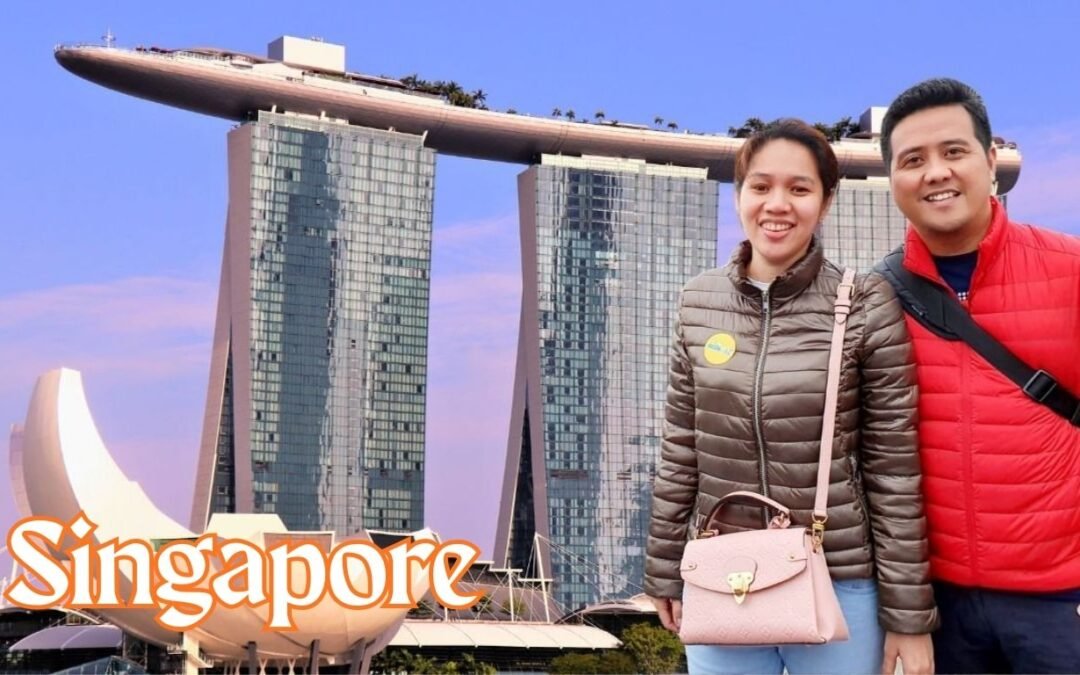
Singapore is often associated with futuristic skyscrapers, gleaming malls, and high-end experiences. While the city-state certainly delivers on luxury, it is also surprisingly accessible for travelers on a tight budget—especially if you focus on free public spaces, hawker culture, and efficient public transport. With a little planning and insider strategy, budget travel to Singapore is not only possible but richly rewarding. This guide dives deep into money-saving systems, affordable attractions in Singapore, and neighborhood insights to help you craft a memorable trip that won’t strain your wallet.
Understanding Entry Requirements and Planning Your Trip
Visa and Entry Regulations
Singapore’s entry rules depend on your nationality and can change, so confirm requirements before booking flights. Many travelers can enter for short tourism visits without applying for a visa in advance, but length of stay and documentation expectations vary. In general, it’s wise to prepare a clean “arrival set”: a passport with sufficient validity, proof of onward travel, and accommodation details. Singapore also requires travelers to submit the SG Arrival Card online prior to arrival (within the allowed submission window). If you’re arriving from areas with specific health requirements (such as yellow-fever risk zones), vaccination documentation may be required—check current advisories before flying.
Travel Budgeting and Currency
Singapore’s currency is the Singapore dollar (SGD). Because exchange rates fluctuate, the best budget practice is to avoid relying on a “fixed” conversion in your head. Instead, use a simple method: exchange a small amount of cash before you arrive for immediate expenses, then withdraw as needed from ATMs in Singapore. Airport exchange booths can be convenient but aren’t always the best value. Cards are accepted almost everywhere, but some hawker stalls and small vendors still prefer cash or tap-based payments. The key is flexibility: carry a little cash for food courts and small purchases, and use a card for hotels, larger restaurants, and transit.
Budget mindset: Singapore gets expensive when you treat it like a “ticket attraction” city. It becomes manageable when you treat it like a “walking and eating” city: free gardens, free waterfronts, free cultural neighborhoods—then a few intentional paid experiences if you truly want them.
Choosing When to Go
Singapore’s weather is tropical year-round: warm temperatures, high humidity, and frequent short rain showers. Pack a light poncho or compact umbrella. Costs and crowds spike during major school vacation windows, December holiday periods, and major events. If you want better value, aim for periods that are busy enough to feel lively but not so busy that hotel prices surge. Off-peak travel generally increases your options for cheap hotels in Singapore, and it can also make popular public spaces feel more comfortable.
Getting Around on a Budget
Singapore’s public transportation system is safe, efficient, and budget-friendly. The MRT (Mass Rapid Transit) network covers most of the island, while buses fill in the gaps. Fares are distance-based and generally inexpensive compared with taxis. Most visitors can tap a contactless bank card to ride the MRT and buses, or purchase a stored-value transit card for easy reloading. If you plan to ride frequently, tourist passes that offer unlimited rides for a set number of days may be worth considering—especially if your itinerary is transport-heavy.
Taxis and ride-hailing apps are convenient but expensive compared to public transit. The best cost-control habit is to treat ride-hailing as a “late-night or logistics” option, not your default. Many central areas are also highly walkable, and early morning or evening walks are more pleasant in the tropical climate.
Airport Transfer Options
Changi Airport is well connected to the city, and you can keep transfers affordable by using public options:
- Public bus: Often the cheapest option. It takes longer than rail but can be a good budget choice if you’re not rushed and want a simple ride.
- MRT: The MRT provides a direct, cost-effective connection into the city with transfers depending on your destination.
- Shared shuttle: A practical compromise if you have bulky luggage and want a lower-cost door-to-door option than a taxi.
- Taxi/ride-hailing: Best reserved for very late arrivals, heavy luggage, or if you’re splitting the fare with a group. Airport surcharges may apply.
Affordable and Free Attractions in Singapore
Some iconic attractions in Singapore are expensive, but many of the most memorable experiences are free or low cost. The city is built around public spaces: waterfront promenades, parks, nature trails, and cultural neighborhoods that reward slow exploration.
Marina Bay and the Merlion
Marina Bay is Singapore’s most photogenic district, lined with skyline views and public walkways. Merlion Park is a classic free stop: take photos with the Merlion, walk the waterfront, and enjoy the “big city” atmosphere without paying an entrance fee. Continue toward the Esplanade (nicknamed “The Durian”) and the waterfront promenade, where free public performances sometimes take place. Cross the Helix Bridge for sweeping views, and end your night with the free light-and-water show at Marina Bay.
Budget tip: Marina Bay is best done late afternoon into evening. You get skyline views in daylight, cooler temperatures after sunset, and the free night spectacle feeling that makes Singapore feel “premium” without ticket costs.
Gardens by the Bay (Free Outdoor Areas + Optional Splurge)
Gardens by the Bay is one of Singapore’s signature attractions, and the outdoor gardens are free to enter. The Supertree Grove feels like a futuristic nature set: tall vertical gardens that glow at night. The nightly light-and-sound show (“Garden Rhapsody”) is free and is one of the best “big experience, small spend” moments in the city.
The cooled conservatories (like Cloud Forest and Flower Dome) require tickets. If you decide to splurge on one paid attraction, this can be a strong choice—especially in the heat. To keep spending controlled, visit during off-peak hours and look for legitimate combo deals that bundle attractions if you plan multiple paid stops.
Singapore Botanic Gardens (UNESCO Site with Free Entry)
The Singapore Botanic Gardens is a UNESCO World Heritage Site and one of the best free experiences in the country. The main gardens are free to enter and are perfect for morning walks, picnics, and a calmer break from city density. Arrive early for cooler temperatures and a peaceful vibe. The National Orchid Garden charges an entry fee, but you can still enjoy a full, satisfying visit without paying anything by focusing on the main grounds and walking trails.
Budget rhythm: Combine Botanic Gardens with a hawker breakfast or a simple coffee stop. It becomes a “low-cost day” that still feels high-quality.
Southern Ridges and Henderson Waves
For a scenic, free urban hike, explore the Southern Ridges, a network of trails and parks connected by elevated walkways. The iconic Henderson Waves bridge is a highlight—especially in the morning or near sunset. You can walk a full route or do just one segment depending on your energy and weather.
Comfort tip: Singapore heat is real. Bring water, wear breathable clothing, and plan this hike early in the day. If you hike at peak heat, you’ll end up spending more on “recovery purchases” (taxis, extra drinks, and extra indoor stops).
MacRitchie Trails and the TreeTop Walk
MacRitchie Reservoir Park is a favorite nature escape, with trails ranging from short loops to longer circuits. The highlight is the TreeTop Walk, a free suspension bridge that gives a canopy-level view of the forest. This is one of the best no-ticket experiences in Singapore, but it requires a moderate hike. Pack water, insect repellent, and sturdy shoes. Be cautious with wildlife—especially monkeys—by keeping snacks sealed and valuables secured.
Historic and Cultural Neighbourhoods (Free to Explore on Foot)
Singapore’s cultural districts are essentially open-air museums. You can spend hours exploring on foot without paying for anything beyond food or optional museum entries. Many places of worship welcome respectful visitors—dress modestly and follow posted rules.
Chinatown
Chinatown is a lively blend of heritage and modern Singapore. Visit temples, browse shophouse streets, and enjoy the rooftop calm at the Buddha Tooth Relic Temple. Explore Thian Hock Keng and Sri Mariamman Temple nearby for architectural variety. Then eat cheaply at hawker centers such as Maxwell Food Centre or Chinatown Complex, where you can sample famous local dishes without restaurant pricing.
Little India
Little India is colorful, busy, and packed with food value. Visit temples, wander Serangoon Road, and take photos at the iconic Tan Teng Niah House. For budget meals, Tekka Centre is a great stop. The area also has many budget-friendly shops and late-night energy.
Kampong Gelam and Haji Lane
Kampong Gelam (Kampong Glam) blends Malay-Arab heritage with modern creative energy. The Sultan Mosque is a major landmark and can be visited respectfully outside prayer times. Arab Street is great for browsing textiles and perfumes, and nearby Haji Lane offers murals, indie boutiques, and photo-friendly lanes you can enjoy without spending much.
Jewel Changi Airport (Free “Attraction” Before You Fly)
If your schedule allows, Jewel Changi Airport is a high-value free stop. The HSBC Rain Vortex (the indoor waterfall) is free to view, and the complex includes gardens, walking areas, and many casual food options. Ticketed activities exist, but you can enjoy the core “wow” factor at no cost.
More Budget-Friendly Experiences
- Museums and galleries: Some museums have free-entry windows or special open-house days. Check schedules close to your travel dates.
- Public art and architecture walks: The Civic District and colonial-era buildings are excellent for self-guided walking tours.
- Parks and beaches: East Coast Park is free and easy for cycling and picnics. Some Sentosa beaches are open to the public, though transport to Sentosa may cost money depending on your route.
- Free walking tours: Some organizations run tip-based walking tours that are economical and informative.
- Festivals and events: Cultural light-ups and seasonal bazaars can be free highlights—check local calendars when planning.
Dining on a Budget: Hawker Centres and Beyond
Eating affordably in Singapore is easy if you embrace hawker culture. Hawker centres are community dining rooms with dozens of vendors under one roof—high variety, low cost, and a strong sense of local life. They’re also a budget traveler’s best tool because prices are visible, portions are flexible, and you can eat well without service-charge restaurant markups.
Must-Try Dishes
- Hainanese Chicken Rice: fragrant rice, tender chicken, and chili-ginger sauces—simple and iconic.
- Char Kway Teow: wok-fried noodles with deep smoky flavor.
- Laksa: spicy coconut noodle soup with rich aroma.
- Roti Prata: crisp flatbread served with curry—budget-friendly and filling.
- Satay: grilled skewers with peanut sauce, often best enjoyed in evening food hubs.
Water tip: Tap water is safe to drink in Singapore. Bring a refillable bottle and avoid paying for bottled water all day.
Iconic Hawker Centres
- Maxwell Food Centre: popular for classic dishes near Chinatown.
- Chinatown Complex Food Centre: huge variety, strong value, and great for repeat visits.
- Lau Pa Sat: a landmark hawker space with a distinctive setting; evenings are especially lively.
- Tekka Centre: excellent for Indian and mixed-cuisine options in Little India.
- Gluttons Bay area: scenic waterfront hawker-style dining with a slightly higher price feel, but strong atmosphere value.
Supermarkets and Convenience Stores
For snacks, breakfast, and “in-between” meals, supermarkets and convenience stores can cut daily costs. Look for ready-to-eat meals, fruit, and simple drinks at lower prices than tourist-heavy zones. This strategy works well if you want one hawker “main meal” per day and keep the rest lighter.
Choosing Cheap Hotels in Singapore
Accommodation is often the biggest cost in Singapore. Budget options exist, but you’ll get the best value by prioritizing location and booking early. A slightly higher nightly rate can still be cheaper overall if it saves you long commutes or frequent ride-hailing.
Best Neighbourhoods for Budget Stays
- Chinatown: great transit access, hawker centers, and heritage streets—ideal for cost-control and walking.
- Little India: strong food value, lively atmosphere, and many budget lodging options.
- Bugis and Rochor: centrally positioned with excellent MRT access and a mix of budget hotels and capsule stays.
- Geylang: often cheaper, with excellent food options, but research exact streets to match your comfort level.
- Riverside areas: sometimes offer deals if booked early, though prices vary widely by date.
Types of Budget Accommodation
- Hostels and capsule hotels: lowest cost, best for solo travelers and short stays; prioritize cleanliness and security.
- Budget hotels: private rooms with basic amenities; book early for best value.
- Short-term rentals: potentially cost-effective for groups, but ensure listings follow local regulations.
Booking Strategies
- Book early—especially during peak holiday windows and major event weeks.
- Compare total cost (taxes and service charges can change the final price).
- Choose flexible rates if you’re unsure of dates, but use non-refundable deals only if your plan is firm.
- If staying longer, some properties may offer better weekly rates—ask directly when appropriate.
Transport Tips and Money-Saving Hacks
Maximising Public Transport
Use journey-planning apps to reduce wrong turns and unnecessary transfers. Walking between nearby MRT stops can sometimes be faster than transferring lines—and it costs nothing. If traveling in a group, ride-hailing can be reasonable when split, but treat it as a targeted tool rather than the default.
Free Wi-Fi and Connectivity
Many public areas offer free Wi-Fi networks, and local SIM or eSIM options can be cost-effective if you need constant data. Connectivity saves money by helping you navigate efficiently, find hawker centers, and avoid “tourist convenience” spending.
Shopping and Souvenir Tips
For inexpensive souvenirs, skip high-end malls and prioritize street markets and value shops. Set a shopping boundary before you arrive: decide what you’re buying and what you’re not. The easiest way to overspend in Singapore is to treat every mall as an “activity.”
Packing Essentials for the Tropics
Pack breathable clothing, a compact umbrella, sunscreen, and comfortable walking shoes. Carry a refillable bottle for free water refills. Keep small cash amounts for hawker stalls, and store digital copies of travel documents.
Understanding Local Laws and Customs
Singapore enforces strict rules on cleanliness and public order. Fines may apply for littering, smoking in non-designated areas, and other violations. Drug offenses carry severe penalties. Respect rules in public spaces and follow etiquette in places of worship (modest dress, remove shoes when required). Tipping is not customary—many restaurants include service charges.
Sample Budget Itineraries
Three-Day Essentials Itinerary
- Day 1 – Marina Bay & Civic District: Explore the Civic District on foot for architecture and photos. Walk the Singapore River area, then head to Merlion Park and the waterfront promenade. End with the free night light show at Marina Bay and dinner at a hawker center.
- Day 2 – Cultural Quarters: Chinatown temples + hawker breakfast, then Little India for markets and food. Continue to Kampong Gelam for Sultan Mosque, Arab Street browsing, and Haji Lane murals. End in Bugis for affordable shopping streets and a simple dinner plan.
- Day 3 – Nature and Gardens: Morning at Singapore Botanic Gardens. Midday hike a segment of Southern Ridges or visit MacRitchie depending on energy. Evening at Gardens by the Bay for the Supertree Grove and free night show, then a final hawker meal.
Four-Day In-Depth Itinerary
- Day 1 – Arrival + Jewel Changi: If timing allows, visit Jewel for the Rain Vortex and indoor gardens (free core areas), then check in and do a light river walk.
- Day 2 – Heritage and Museums: Fort Canning Park for a free green walk, then choose one museum as a controlled paid stop if you want indoor time. Evening: Chinatown food and shophouse streets.
- Day 3 – Pulau Ubin or East Coast Park: Choose a nature-focused day with cycling and boardwalks, then return for a simple hawker dinner.
- Day 4 – Souvenir Day + Departure: Bugis Street Market, Chinatown value shops, or Mustafa-style bargain hunting, then a final hawker meal before heading to the airport.
Additional Considerations for Travelers
Language and Culture
English is widely used in Singapore, so communication is rarely a problem. The city has a strong “queue culture” and an orderly public transport system—following these norms keeps your trip smooth. Learning a few simple local phrases can be a nice gesture, but it’s not required for navigation.
Religious and Dietary Considerations
Singapore is multi-religious and generally welcoming. Dress modestly at places of worship and follow posted rules. Halal food is widely available, and vegetarian options are easy to find—especially in Indian and Chinese-style eateries. If you have dietary restrictions, asking in English usually works.
Community and Safety
Singapore is widely regarded as one of the world’s safest cities, including for solo travelers. Petty theft can still happen, so keep valuables secure, especially in crowded areas. Use insect repellent in parks if you’re sensitive to bites, and follow public rules to avoid fines.
Singapore on a Budget
Singapore may look expensive at first glance, but it rewards travelers who look beyond polished malls and ticketed attractions. By choosing areas like Chinatown, Little India, or Bugis for accommodation, eating at hawker centres, relying on the MRT, and building your days around parks, waterfronts, and cultural districts, you can experience the city deeply without overspending. Budget travel to Singapore is all about structure: visit in quieter periods when possible, book accommodation early, and prioritize affordable attractions in Singapore like the Botanic Gardens, Southern Ridges, cultural quarters, and the free outdoor areas of Gardens by the Bay.
Pack light, stay curious, and let Singapore surprise you. From sunrise walks through nature trails to midnight snacks at hawker centers, every moment can feel rich in experience and light on cost—exactly what smart travelers aim for when exploring Southeast Asia.