Thailand ■ Cambodia ■ Malaysia ■ Singapore ■ Taiwan ■ Macau ■ Hong Kong ■ South Korea ■ Russia
Vietnam is one of the most practical international trips for travelers who want a big “travel upgrade” without a big budget. It’s easy to build an itinerary that feels premium in other countries—beautiful beaches, heritage towns, mountain scenery, world-class street food, and a deep history you can see in daily life—while still keeping costs controlled through smart planning. Vietnam rewards travelers who move intentionally, eat like locals, and choose simple transport options that stretch their money. If your goal is budget travel to Vietnam without sacrificing comfort or variety, this guide is built for you.
This cornerstone article covers everything you need to travel efficiently: entry planning, flights, transport, where to stay, what to eat, how to avoid tourist traps, and how to build a realistic itinerary. You’ll get a quick overview of Vietnam’s major destinations (Hanoi, Ho Chi Minh City, Ha Long Bay, Sapa, Hue, Hoi An, and the Mekong Delta), but the heart of this guide is Da Nang—a coastal city that makes budget travel easy. Da Nang offers beaches you can enjoy for free, a strong café culture, straightforward day trips, and a location that connects you to Central Vietnam’s best highlights.
Why Vietnam Works So Well for Budget Travelers
Vietnam feels familiar in the best way: warm hospitality, bustling street life, and a strong food culture. At the same time, it offers genuine contrasts that make travel feel like an adventure— French colonial architecture beside pagodas, rice paddies beside modern bridges, and mountain roads that open into dramatic coastal views. For budget-conscious travelers, value isn’t only about low-cost meals. It’s about how much you can do in a day without constantly paying entrance fees, and how easy it is to move between neighborhoods and cities without relying on costly private transport.
Another advantage is variety. If you want a mix—food trip, beach trip, culture trip, nature trip—Vietnam can deliver all of that in one route. You can explore vibrant cities, reset by the sea, switch to mountains, then come back for markets and museums. That flexibility helps keep spending stable because you’re not forced into expensive “one big attraction” days every time.
Before You Go: Practical Planning
Entry Basics and Documents
Start with the essentials: passport validity, proof of onward travel if required, a plan for staying connected, and a clear money strategy. Entry rules vary by nationality and can change, so confirm requirements through official channels before you book. Even on short trips, keep digital copies of your passport bio page, flight details, and accommodation confirmations. Save them offline (phone storage) and online (email/cloud) so you’re covered if your internet fails or you misplace paperwork.
A simple “travel folder” reduces stress: itinerary outline, hotel bookings, and return/onward tickets. Most travelers never need to show everything, but having it ready prevents last-minute scrambling—one of the most common triggers for unnecessary spending.
Flights: How to Book Smarter (Without Chasing Every Sale)
Vietnam has multiple international gateways—Hanoi (north), Da Nang (central), and Ho Chi Minh City (south)—plus a strong domestic flight network. Instead of obsessing over perfect timing, focus on a few strategies that consistently reduce cost and friction:
- Book international flights first, then build the internal route around them.
- Use airports strategically: fly into one region and out of another to avoid backtracking.
- Travel light if possible. Extra baggage fees can quietly erase the advantage of a low fare.
- Choose arrival times that reduce “dead hours.” Late-night arrivals often push you into more expensive transport choices.
When to Go: Seasons, Comfort, and Crowd Control
Vietnam stretches long from north to south, so weather varies by region. Instead of hunting for one “best month,” plan based on your trip focus:
- City + culture trips feel best when heat is milder and rain is less disruptive.
- Beach-focused trips work best when Central Vietnam is calmer and clearer.
- Mountain trips (like Sapa) can be cool—pack layers and expect temperature swings.
Crowd control matters for budget travel. When domestic holidays and major festivals hit, popular destinations get busy, transport fills, and “value options” disappear. The fix is simple: book key transport segments early, and keep a backup plan in each city in case your first-choice attraction becomes too crowded.
Travel Insurance and Health Prep
Budget travel doesn’t mean skipping basics that protect your budget. A clinic visit, lost baggage, or trip delays can cost more than a full day of activities. Travel insurance is often worth it for peace of mind. Pack a small kit: pain reliever, stomach support, band-aids, and any personal medications. Preparedness keeps small problems from becoming expensive problems.
Money Matters: Budgeting, Cash, and Payment Habits in Vietnam
Vietnam uses the Vietnamese dong (VND), and the large numbers can be confusing at first. The best tactic is consistency: use one conversion method you trust (calculator app or a simple rule of thumb) and stick to it. Avoid “fresh mental math” for every purchase—conversion fatigue leads to overspending through confusion.
Cash is still common for street food, markets, and small services. Cards are usually accepted at hotels, modern cafés, and many mid-range restaurants, though some places may add a small fee. Withdraw responsibly and avoid carrying all your cash at once. Keep small bills accessible for daily spending and larger notes separate for accommodation or longer transfers.
A strong budget habit is to plan spending by categories rather than a strict single daily number:
- Food: street meals + one sit-down meal or coffee stop
- Transport: short rides + one longer transfer (if needed)
- Activities: one paid highlight + free strolling
This creates flexibility: you can spend more on a day trip, then balance it with a low-cost day of beaches, markets, and city walks.
Getting Around Vietnam: Transport Choices That Keep Costs Low
In Cities: Walking, Ride Apps, and Local Options
Vietnam’s cities are dense and lively, which is great for budget travel. Many highlights are close enough to explore on foot if you choose your neighborhood well. When you need a ride, ride-hailing apps are widely used and reduce price negotiation stress. A practical rhythm is to walk for exploration, then ride for longer distances or when heat and rain make walking uncomfortable.
Between Cities: Trains, Buses, and Domestic Flights
Vietnam offers multiple long-distance travel modes, each with a “best use case”:
- Overnight trains: good for comfort and scenery, and they can save a night of accommodation if you sleep well on transport.
- Sleeper buses: often the most budget-friendly and widely available; choose reputable operators and keep valuables secure.
- Domestic flights: best for long distances when time is limited; travel light to keep fees low.
A balanced approach works well: flights for the longest jumps, buses or trains for medium routes, and local rides for city movement.
Where to Stay: Choosing Neighborhoods and Finding Value
The biggest hidden budget killer isn’t food—it’s choosing a location that forces you to spend on transport every day. The goal is not the absolute lowest room rate. The goal is overall value: safe area, easy access, and a room you can actually rest in.
What to Prioritize When Booking
- Location: near the places you’ll actually visit, not just near “a landmark.”
- Cleanliness: read recent reviews for patterns, not one standout comment.
- Comfort: humidity and heat affect sleep; quality rest prevents burnout spending.
- Rules and deposits: confirm check-in details to avoid last-minute stress.
Cheap Hotels in Da Nang: How to Find the Right Fit
Da Nang is one of the easiest places in Vietnam to find good-value accommodation, but “cheap” should still meet basic standards. When searching for cheap hotels in Da Nang, focus on these three zones:
- My Khe Beach area: best for beach mornings, seaside walks, and oceanfront cafés.
- Han River / city center area: best for bridges, markets, museums, and an urban food crawl.
- Between beach and river: a balanced option for travelers who want both without relying on long rides.
Hostels can be great for solo travelers and social energy, guesthouses offer a more local feel, and simple hotels provide privacy and predictable comfort. If you value quiet, prioritize soundproofing and sleep quality over flashy amenities. A good night’s rest makes your budget stronger because it reduces the temptation to “buy comfort” during the day.
Food on a Budget: How to Eat Well Without Overspending
Vietnam is one of Asia’s best destinations for food-driven travelers on a budget. The most satisfying meals often come from small local spots, market stalls, and simple eateries. The best rule: eat where locals line up, not where menus are designed primarily for tourists.
Street Food Safety and Smart Choices
- Follow the locals: busy stalls usually mean faster turnover and fresher food.
- Start with cooked items while adjusting to a new environment.
- Hydrate smart: carry water and refill using safe sources when possible.
- Go easy on extremes: if you want to try everything, spread it across days.
Essential Vietnamese Dishes to Try
You’ll find regional variations, but these are reliable budget-friendly anchors:
- Pho: iconic noodle soup, often great for breakfast or a comfort meal.
- Banh mi: a fast, satisfying sandwich with Vietnamese-French influence.
- Bun cha: grilled pork with noodles and herbs (especially popular in the north).
- Banh xeo: crispy savory pancake filled with herbs and protein.
- Com tam: “broken rice” plates common in the south.
In Da Nang, look for mi Quang (regional noodles) and simple local seafood prepared with herbs and light sauces. Da Nang’s food scene is approachable: markets, night-market stalls, and local eateries make it easy to eat well without turning every meal into a “special occasion” expense.
Vietnam’s Must-See Regions: Quick, Practical Overviews
Even if Da Nang is your main base, understanding Vietnam’s broader map helps you build a route that makes sense.
Hanoi: Atmosphere, History, and Walking Culture
Hanoi’s appeal is texture: the Old Quarter’s narrow streets, lakeside mornings, and the feeling that history is layered into everyday life. It’s a city where you can spend hours walking with minimal spending beyond coffee and snacks.
Ha Long Bay: Famous Scenery, Different Budget Paths
Ha Long Bay is stunning, but it can become a “tour package trap” if you don’t plan. Decide whether you want a day trip, a basic cruise, or an island-based approach that gives you more flexibility. The best budget choice is the one that matches your pace and priorities.
Hoi An: Heritage Streets, Lantern Nights, and Slow Travel
Hoi An is where walking becomes the activity. You’re there for atmosphere: lantern-lit evenings, riverside cafés, old merchant streets, and easy bike rides through rice fields. Treat it as a “low-cost wandering” day and be selective about paid add-ons.
Hue: Imperial History and River Calm
Hue is ideal for travelers who want history with substance. The Imperial City and royal heritage sites can anchor a full day. Plan around a few key sights and leave time for slower moments by the river.
Ho Chi Minh City: Energy, Food, and Urban Contrast
Ho Chi Minh City is fast and modern, with great food and strong museum and market options. The budget strategy is straightforward: choose a convenient district, walk frequently, and use ride apps when needed.
Mekong Delta: Waterways, Markets, and Local Life
The Mekong Delta is about pace and perspective. Day trips are common, but an overnight can deliver a more relaxed experience and early market atmosphere. Even on a budget, the Delta can feel premium because it’s experiential: boats, waterways, fruit, farms, and daily life centered on the river.
Sapa: Terraces, Cooler Air, and Cultural Encounters
Sapa offers trekking and mountain scenery. Plan routes that match your fitness and travel style, and approach communities respectfully. Pack for cooler temperatures and changing weather.
Da Nang Deep Dive: Your Budget-Friendly Base in Central Vietnam
Da Nang is often described as a coastal city with modern infrastructure, but the real reason it’s perfect for budget travel is simpler: it’s easy. It’s easy to get around, easy to find food, easy to access beaches, and easy to do day trips. You can enjoy Da Nang without constantly paying entry fees, and you can plan your days with a practical rhythm—beach mornings, city afternoons, markets at night, and bridge views after dark.
My Khe Beach: Free, Beautiful, and Actually Usable
My Khe Beach is one of Da Nang’s best “no-cost” highlights. Show up early for sunrise walks, return later for a swim when conditions are safe, and come back at dusk when the city cools down. For budget travelers, the beach works as a daily reset: you can spend time there without spending money, which naturally stabilizes your travel budget.
Practical routine: treat the beach as your morning anchor. Bring water, buy fruit or a simple snack, then save your bigger meal for later in the city. This prevents constant “small spending” that adds up.
Marble Mountains: Caves, Pagodas, and Views
The Marble Mountains combine nature, spirituality, and panoramic viewpoints. Expect stairs, caves, and shrines. Wear proper footwear, bring water, and aim for early hours to avoid heat and crowds. This is a strong example of an affordable attraction in Da Nang that still feels “big” in experience.
Ba Na Hills and the Golden Bridge: Make It a Controlled Splurge
Ba Na Hills is often the most expensive day in a Central Vietnam itinerary, but it can fit a budget strategy if you treat it as a single planned highlight rather than a casual add-on. Decide in advance what you care about (Golden Bridge, cable car views, scenic walking areas), then avoid unnecessary extras.
Control strategy: eat a solid breakfast before you go, bring water and small snacks, and set a personal “add-on rule” (for example, one optional purchase maximum). This keeps the day from turning into a spending spiral.
The Bridges of Da Nang: Night Views with Minimal Spend
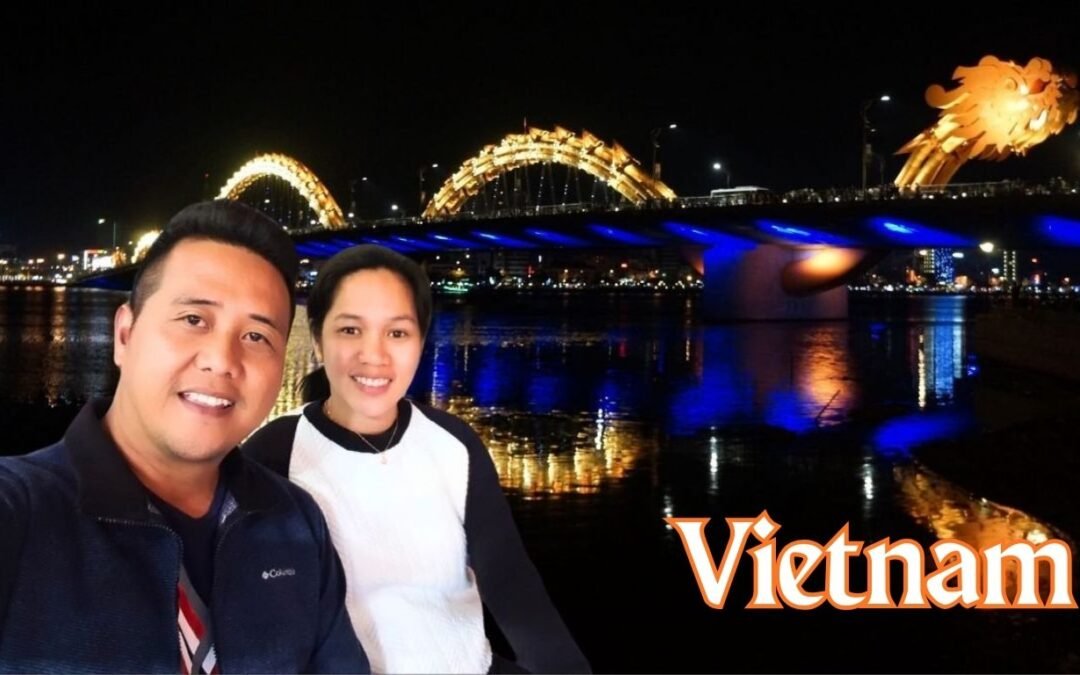
Da Nang is famous for its bridges, and they’re ideal for budget travel because the experience is largely free: walk the river, enjoy city lights, and take photos without paying anything. The Dragon Bridge is the star, and if you time it right, you can catch the weekend fire-and-water show. Even without it, the river walk is a strong low-cost evening plan.
Budget tip: make “bridge night” your low-cost evening. Eat at a market, grab a dessert or drink from a local spot, then walk the river. It feels like a full night out without becoming a pricey nightlife crawl.
Da Nang’s Markets: Where Daily Life and Food Come Together
Markets in Vietnam are part of daily life, not just tourism. In Da Nang, they’re excellent for budget travel: you can snack cheaply, buy fruit, pick up small gifts, and observe local rhythms. Go with a plan—browse first, observe prices, then buy intentionally.
Cham Museum: A Small Museum with Big Context
Da Nang’s Cham museum adds important context to Central Vietnam’s history and cultural layers. It’s also a great midday activity when the sun is intense—air-conditioned museums can be a comfort strategy that keeps you from spending money just to “escape the heat.”
Son Tra Peninsula: Nature Escape Close to the City
Son Tra Peninsula offers viewpoints, pagodas, and a sense of nature without long-distance travel. Treat it like a nature reserve: don’t feed wildlife, don’t chase animals for photos, and respect the environment. Clear-weather viewpoints can be spectacular.
Café Culture in Da Nang: Budget-Friendly “Rest Stops”
Vietnamese café culture is perfect for budget travelers. A café can be a rest stop, a planning station, and a cool-down break in one. You don’t have to spend big—one drink can buy you an hour of recovery, Wi-Fi, and calm.
Affordable Attractions in Vietnam: How to Build Days That Feel Full
The most reliable way to keep your budget stable is to build each day with one “anchor activity” and multiple free or low-cost experiences. Vietnam is ideal for this because so much of what makes it memorable doesn’t require expensive tickets. A satisfying day can look like:
- a morning walk (beach, river, old streets)
- a market snack crawl
- a museum or historical site
- a café break
- a sunset viewpoint
- a night market dinner
This structure works especially well in Da Nang. It also works in Hanoi (lakes and old streets), Ho Chi Minh City (district walks and markets), and Hoi An (heritage wandering and lantern evenings). Keep paid attractions intentional, not constant, and Vietnam becomes a destination where days feel rich while spending stays under control.
Sample 6-Day Budget Itinerary (Da Nang as Your Base)
This itinerary balances paid highlights with free experiences and stays flexible enough to adjust for weather and energy.
Day 1: Settle In and Learn the City Rhythm
- Morning/Afternoon: Arrive, check in, and do a short orientation walk near your area (beach or river).
- Late afternoon: Visit a museum or market to get cultural context and a food baseline.
- Evening: River walk and bridge views. Keep it simple: dinner at a market, then relax.
Day 2: Marble Mountains + Hoi An
- Morning: Marble Mountains early for cooler weather and better light.
- Afternoon: Head to Hoi An for old streets, coffee stops, and slow exploration.
- Evening: Lantern atmosphere and riverside vibe, then return or stay overnight depending on your pace.
Day 3: Ba Na Hills (Planned Highlight Day)
- Morning: Early start to maximize time and avoid peak crowds.
- Midday: Golden Bridge, viewpoints, gardens, slow walking exploration.
- Evening: Return to Da Nang, light dinner and early rest.
Day 4: Beach Day + Café Hopping
- Morning: My Khe Beach sunrise and a long walk. Swim if conditions feel safe.
- Afternoon: Café time for planning, journaling, editing photos, or remote work.
- Evening: Night market dinner or a simple local eatery crawl.
Day 5: Son Tra Peninsula + Viewpoints
- Morning: Son Tra for nature and panoramic views. Be respectful in pagoda areas.
- Afternoon: Return for a market lunch or a quiet neighborhood walk.
- Evening: River and bridge stroll—your low-cost “city lights” finale.
Day 6: Last-Minute Food Crawl and Departure
- Morning: Beach or café breakfast, then light souvenir shopping.
- Afternoon: Choose one last cultural stop (museum, market, or scenic walk).
- Evening: Airport transfer and flight onward.
Budget-Saving Playbook: What Actually Works in Vietnam
Choose a “Home Base” and Reduce Daily Transport
Staying in the right area saves money every day. In Da Nang, being near the beach or river means you can walk to key experiences. In Hanoi, staying near the Old Quarter reduces rides. In Ho Chi Minh City, choosing a convenient district reduces long taxi hops. This is one of the most reliable ways to cut costs without sacrificing comfort.
Eat Street Food Confidently (But Carefully)
Street food is where Vietnam shines for budget travel. Keep it safe by choosing busy stalls, starting with cooked dishes, and spacing out new foods. Save sit-down meals for when you want rest or one special dish.
Do One Paid Highlight per Day, Then Fill the Rest with Free Experiences
This is the core strategy of sustainable budget travel. If you pay for everything every hour, spending spikes and fatigue builds. Anchor the day with one paid highlight, then fill the rest with walking, markets, beaches, and neighborhood exploration.
Book Key Transport Early, Stay Flexible with Small Plans
Long-distance transport is where last-minute decisions can cost you. Book the segments you know you’ll take, then keep small daily activities flexible. That way weather or energy shifts won’t disrupt your entire itinerary.
Common Mistakes That Make Budget Travel More Expensive
- Changing hotels too often: moving constantly costs time, energy, and extra transport.
- Staying far from everything: cheap rooms become expensive when daily rides add up.
- Overbooking tours: too many packages create financial and travel fatigue.
- Ignoring rest: burnout leads to impulse spending—taxis, expensive meals, unnecessary upgrades.
- No cash plan: repeated withdrawals and rushed exchanges add fees and stress.
Culture, Etiquette, and Respect: Travel Smoothly
Respectful travelers usually have smoother trips. Modest clothing is appreciated at religious sites, and calm behavior matters in sacred spaces. Avoid loud conversations in temples, remove shoes when required, and ask before photographing people, especially in rural areas and markets.
Learning a few basic Vietnamese words goes a long way—not because anyone expects fluency, but because effort builds goodwill. Even simple greetings and thank-yous can change the tone of an interaction.
Responsible Travel: Simple Habits That Improve Your Trip
- Support local businesses: family-run eateries, small cafés, and local guides.
- Reduce plastic waste: carry a reusable bottle and a small bag for purchases.
- Respect nature reserves: don’t feed wildlife, don’t leave trash, and stay on trails.
- Buy meaningful souvenirs: choose items that reflect local craftsmanship rather than generic imports.
Frequently Asked Questions
Is Vietnam safe for budget travelers?
Vietnam is generally safe for travelers who use common sense: secure your valuables, be careful in crowded markets, and choose reputable transport options. In busy areas, watch for pickpocket risks and avoid flashing expensive items. Select accommodations with consistent reviews for safety and cleanliness.
Is Da Nang a good first city in Vietnam?
Yes—Da Nang is one of the easiest cities for first-time visitors because it’s laid-back, navigable, and well positioned for day trips to Hoi An and Hue. If you’re doing budget travel to Vietnam and want a base that doesn’t feel chaotic, Da Nang is a strong choice.
How do I find cheap hotels in Da Nang without risking quality?
Prioritize location (beach or river access), read recent reviews for cleanliness, and choose places with consistent comments about staff helpfulness and sleep comfort. A slightly better location can reduce daily transport costs, improving overall value. When searching for cheap hotels in Da Nang, think “total cost of living,” not just the nightly rate.
What are the most affordable attractions in Da Nang?
Beach time, river walks, bridge views, markets, and temple visits are among the most budget-friendly experiences. Day trips like Marble Mountains and Son Tra Peninsula can also be managed affordably with smart timing and simple transport choices.
Vietnam on a Budget
Vietnam is a destination where smart planning produces an outsized payoff. It’s close enough for short trips, diverse enough for long itineraries, and flexible enough to match different travel styles—food trip, culture trip, beach trip, or a mix of all three. If your focus is budget travel to Vietnam, the winning formula is consistent: choose convenient locations, walk neighborhoods, use ride apps when needed, eat street food with confidence, and plan one paid highlight per day.
Da Nang deserves special attention because it makes affordable travel feel effortless. With free beach mornings, scenic river nights, accessible cultural stops, and easy day trips, it’s one of the best places to experience affordable attractions in Vietnam without feeling like you’re “cutting corners.” If you want a trip that’s memorable, comfortable, and cost-controlled, build your route around Da Nang, keep your days balanced, and let Vietnam’s everyday life become part of the experience.